James Watson, DNA Pioneer Whose Legacy Was Marred by Controversy, Dies at 97
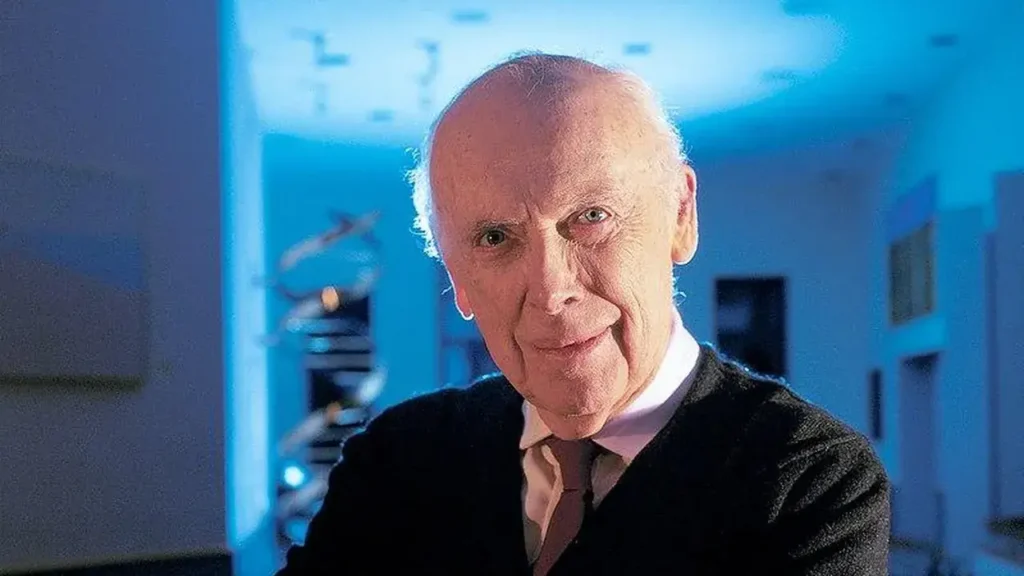
James Watson, the brilliant and brash Nobel laureate who helped decipher the structure of DNA, revealing the secret of life and launching a new era for science and society, has died at 97. His death on November 6, 2025, in East Northport, New York, was confirmed by his family, closing the final chapter on one of science’s most complex and consequential figures.
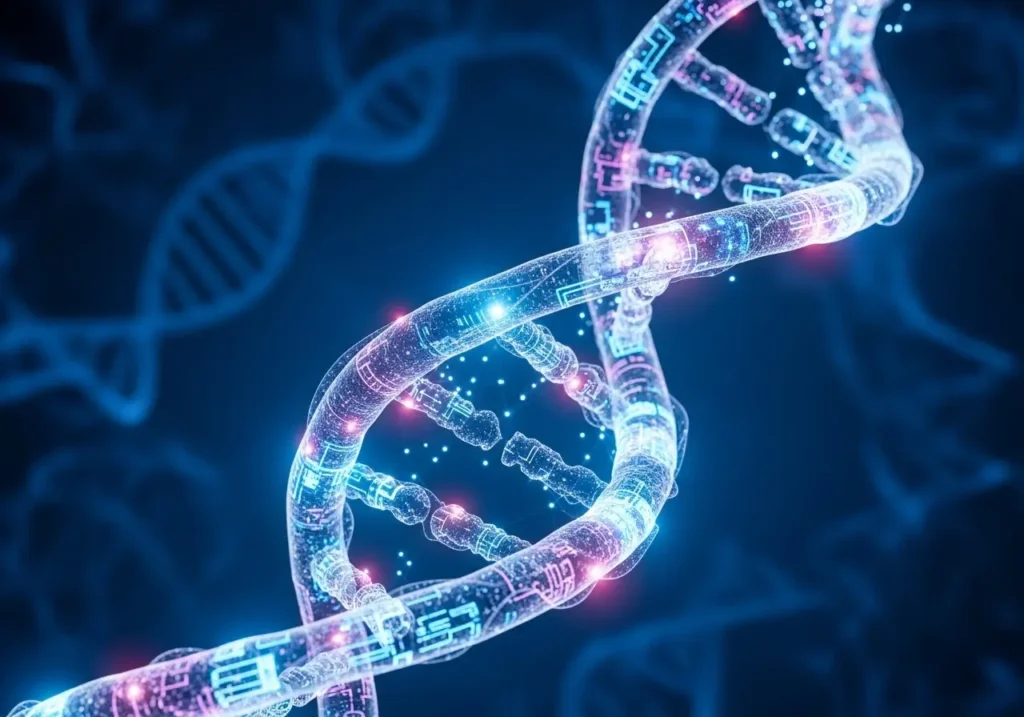
Watson was only 24 in 1953 when he and fellow scientist Francis Crick discovered the molecular structure of deoxyribonucleic acid (DNA)—the famed double helix. The breakthrough, which resembles a twisting ladder, instantly explained how living organisms store and pass on genetic information from one generation to the next.
The Discovery That Changed the World
The path to the double helix was a fierce international race. At the University of Cambridge’s Cavendish Laboratory, James Watson and Francis Crick were determined to beat their leading rival, American chemist Linus Pauling, to the solution.
Their ultimate success leaned heavily on the work of others, most notably Rosalind Franklin, a researcher at King’s College London. Without her knowledge, Watson and Crick were shown one of her key X-ray diffraction images, known as “Photo 51,” which provided a crucial clue to the helix’s form. This image, combined with insights from colleague Maurice Wilkins, gave them the final pieces of the puzzle.
In a modest, one-page paper published in the journal Nature in April 1953, they described their model. They noted with historic understatement that the structure’s specific pairing mechanism “has not escaped our notice” as a potential way for genetic material to copy itself.
For this work, James Watson, Crick, and Wilkins were awarded the Nobel Prize in Physiology or Medicine in 1962. Franklin, who had died of cancer in 1958, was ineligible for the prize, which is not awarded posthumously.
A Life of Leadership and Provocation
Beyond the double helix, James Watson had a profound impact on science. He led the Cold Spring Harbor Laboratory (CSHL) on Long Island for decades, transforming it from a relatively small institution into a world-renowned powerhouse for research in cancer, neurobiology, and genomics.
He also helped launch and lead theHuman Genome Project at the National Institutes of Health, the monumental international effort to map all human genes.In 2007, he became only the second person to have his entire personal genome sequenced.
However, Watson’s career was equally defined by his provocative and often offensive public statements. He was suspended from his leadership role at CSHL in 2007 after telling a British newspaper that he was “inherently gloomy about the prospect of Africa” because “all our social policies are based on the fact that their intelligence is the same as ours—whereas all the testing says not really”.
Though he apologized, the damage was done. He was forced to retire, and the laboratory severed all remaining honorary ties with him in 2019 after he reiterated his views in a documentary . These remarks, along with sexist statements about female scientists and comments on other sensitive topics, “overshadowed his support of women in science,” as his successor at CSHL, Bruce Stillman, acknowledged.
The Complicated Legacy of a Scientific Giant
James Watson leaves behind a legacy that is both monumental and deeply tarnished. His co-discovery of DNA’s structure is ranked among the most important scientific achievements in history, on par with the theories of Darwin and Mendel.t paved the way for everything from genetic engineering and personalized medicine to DNA fingerprinting in criminal investigations.
Yet, the man who helped uncover the genetic code that unites all humanity spent his later years promoting views that divisively invoked genetics to separate people. As Declan Fahy, a professor who studies scientists as public intellectuals, noted, Watson presented the public with a “startling new view of science and scientists” through his bestselling memoir The Double Helix, revealing them as “ambitious, brutally competitive, and anxious about being beaten”.
James Watson’s life was a testament to the power of human intellect and a cautionary tale about the shadows cast by personal flaws. He unlocked one of nature’s most profound secrets, but his controversial beliefs ultimately complicated his place in the history he helped write.
James Watson, together with his colleague Francis Crick, discovered the double-helix structure of DNA in 1953. This groundbreaking model, which looks like a twisted ladder, revealed how genetic information is stored and replicated in living organisms, fundamentally revolutionizing biology and medicine.
Yes, James Watson was awarded the Nobel Prize in Physiology or Medicine in 1962. He shared this honor with Francis Crick and Maurice Wilkins for their collective work in determining the structure of DNA.
James Watson’s career was marred by deeply controversial statements about race and intelligence, which he repeatedly made in public forums. These remarks, widely condemned as racist and unsupported by science, led to his forced retirement from Cold Spring Harbor Laboratory and the revocation of his honorary titles.
Rosalind Franklin, a skilled X-ray crystallographer, produced the critical “Photo 51” image that revealed the helical structure of DNA. Her data, shared with Watson and Crick without her full knowledge or consent, was instrumental in allowing them to finalize and verify their now-famous double-helix model.
James Watson died on November 6, 2025, at the age of 97. His death marked the passing of one of the most significant, yet contentious, figures in 20th-century science.