Hawaiian Airlines Retires Its Historic Callsign in Pivotal Merger Milestone
For 96 years, the simple word “Hawaiian” on the air traffic control frequency signaled the arrival of a plane filled with the spirit of the islands. That voice is now silent. In a move that marks the end of a foundational aviation era, Hawaiian Airlines has officially retired its iconic “HAWAIIAN” callsign, a direct result of its ongoing merger with Alaska Airlines.
The final revenue flight to use the callsign was HA866 from Pago Pago, which landed in Honolulu on October 29, 2025. As of October 30, all aircraft formerly communicating as “Hawaiian” now use the “ALASKA” callsign for air traffic control. This change is a required procedural step as the two carriers integrate their operations under a single FAA operating certificate.
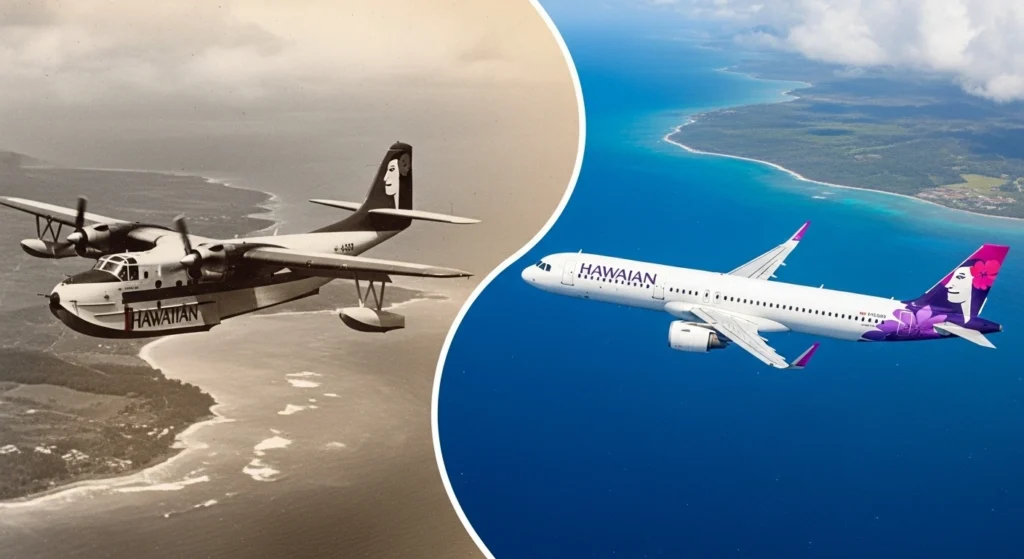
The retirement of the callsign closes a chapter that began when the airline operated propeller-driven amphibious planes. While the name spoken over the radio has changed, company leadership has repeatedly promised that the distinct Hawaiian Airlines customer experience—from its brand to its in-flight hospitality—will continue for travelers.
A Necessary Step for a Single Operating System
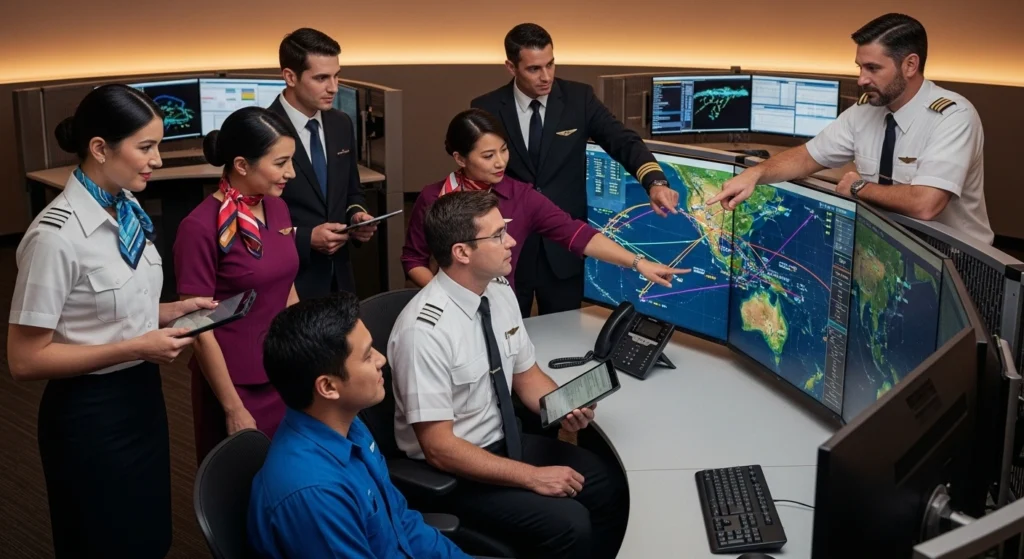
The callsign change is far more than a symbolic gesture; it is a technical necessity for modern airline mergers. The Federal Aviation Administration (FAA) requires merged carriers to operate under one Single Operating Certificate (SOC). Adopting a unified callsign is a mandatory part of this process, ensuring clarity and safety in air traffic communications.
An Alaska Air Group spokesperson explained the rationale, stating, “Unifying our communications under one callsign is a critical safety and operational procedure. It eliminates potential confusion for air traffic controllers managing a complex airspace, especially as our fleets and schedules become more integrated.”
This integration has been a monumental task behind the scenes. For months, teams from both airlines have worked to align thousands of procedures, from pilot training manuals to maintenance protocols. The callsign switch is one of the most visible outcomes of this extensive, largely invisible, effort.
What Changes for Travelers and What Stays the Same
For the average passenger, the operational shift is designed to be seamless. The core experience of flying on Hawaiian Airlines is being deliberately preserved, even as its corporate structure evolves.
The beloved Pualani logo will remain emblazoned on aircraft tails. The airline’s signature lei greetings, complimentary meals, and Hawaiian hospitality on flights to, from, and within the state will continue unchanged. The familiar “HA” code will still appear on boarding passes and baggage tags for the immediate future.
The most significant near-term change for customers involves loyalty programs. The HawaiianMiles program is being integrated into Alaska’s Atmos Rewards system. Members have had their balances and statuses transferred, unifying the two traveler communities under one program.
A final, major integration step is scheduled for Spring 2026. At that time, the airlines will move to a single reservation system, and the “HA” airline code will be fully retired in favor of Alaska’s “AS” code.
The Human Element : Nostalgia and Looking Forward
The emotional weight of this change is felt most deeply by employees and aviation enthusiasts. For pilots and flight attendants who have built careers with Hawaiian Airlines, the callsign was a point of pride, an immediate identifier that connected them to a rich legacy.
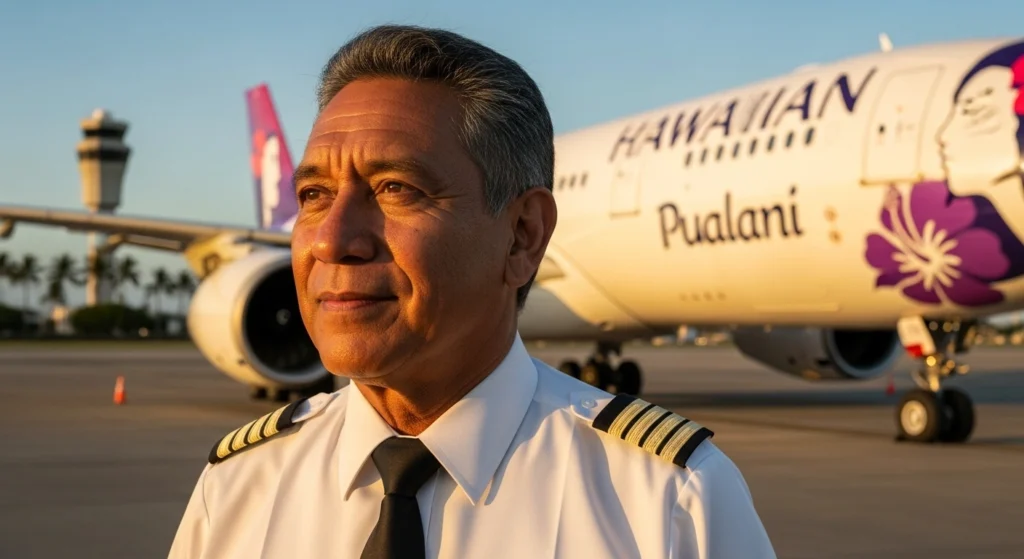
A veteran Hawaiian Airlines captain, who wished to remain anonymous, shared his feelings. “It’s a bittersweet moment,” he confessed. “For my entire career, I’ve picked up the mic and said ‘Hawaiian…’ It was a badge of honor. That word carries a lot of weight and history. But we understand the reason, and we’re focused on bringing that same aloha into the future, even if the callsign is different.”
This sentiment is echoed by leadership. The new CEO of Hawaiian Airlines, Diana Birkett Rakow, has emphasized a commitment to the airline’s home-state identity. In a recent communication, she acknowledged the past while steering toward the future. “We honor the legacy of this iconic callsign and the generations of employees who made it synonymous with hospitality and safety,” she stated. “Our focus now is on building a stronger, more globally connected airline for Hawaii, while fiercely protecting the unique culture that defines us.”
The Future for Hawaiian Airlines
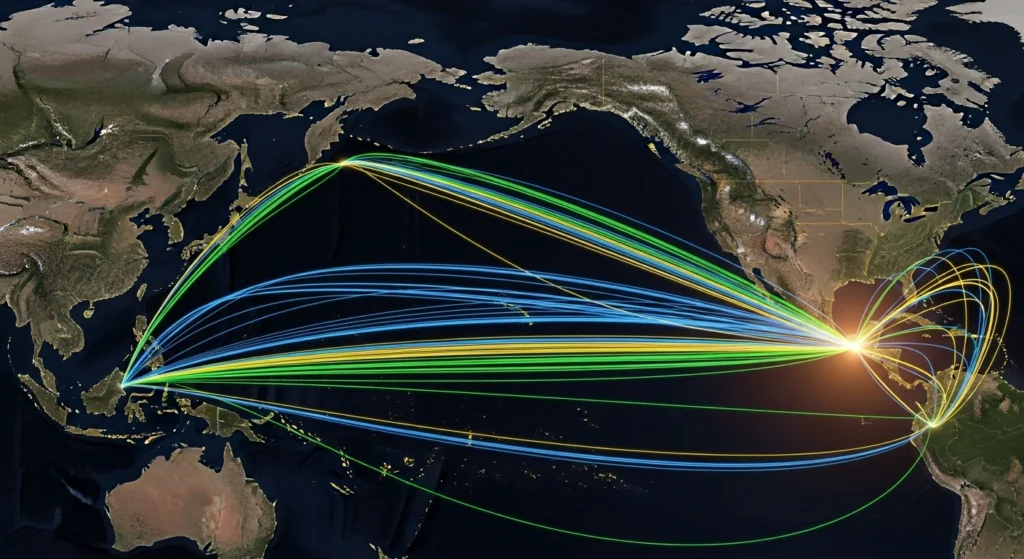
The merger’s next chapter includes significant expansion. The combined airline group has announced plans for thirteen new nonstop routes in 2026, increasing connectivity to the Hawaiian Islands from key West Coast cities.
Furthermore, Hawaiian Airlines is slated to join the oneworld alliance in Spring 2026, granting its passengers enhanced benefits and smoother connections across a global network of partner airlines.
The retirement of the “HAWAIIAN” callsign is a definitive moment in aviation history. It concludes a 96-year narrative that began with small inter-island flights and grew into an international carrier. While its voice to air traffic control has changed, the promise from the company is that the soul of Hawaiian Airlines—its commitment to the aloha spirit—will continue to be its most defining feature, ensuring its legacy flies on.
The “HAWAIIAN” callsign was retired as a direct requirement of the merger with Alaska Airlines. The Federal Aviation Administration (FAA) mandates that merged carriers operate under a Single Operating Certificate (SOC), which includes using a unified callsign for all air traffic control communications to ensure safety and operational clarity.
For passengers, the change is primarily behind the scenes. The Hawaiian Airlines brand experience is being preserved, meaning the iconic livery, in-flight hospitality, lei greetings, and complimentary meals on Hawaii routes will continue. The most immediate change for travelers is the integration of the HawaiianMiles program into Alaska’s Atmos Rewards.
No. Alaska Air Group has committed to maintaining the Hawaiian Airlines brand, including its Pualani logo on aircraft tails and its unique service culture. The brand will continue to operate separately from Alaska Airlines, focusing on routes to and within Hawaii.
The final revenue flight to use the historic “HAWAIIAN” callsign was Hawaiian Airlines Flight HA866, which arrived in Honolulu from Pago Pago, American Samoa, on October 29, 2025.
The next significant step is scheduled for Spring 2026, when both airlines will move to a single passenger service system. At that time, the “HA” airline code will be fully retired, all flights will use the “AS” code, and Hawaiian Airlines is set to officially join the oneworld alliance.