Barcelona is a city that appeals to all your senses. Do you want to just explore more mix of the colors and lively culture in Spain? So if there was one highlight that truly won’t be forgotten, it’s the memorable food in Barcelona. Prepare for a unique culinary experience like no other!
This oceanside city infuses tradition and creativity in every dish. It draws its rich culinary heritage from the sea, the land and its colorful history. Eating in Barcelona isn’t just about food — it’s about tasting the city. The flavors, the aromas, the textures — they all tell stories of generations past.
All over Barcelona, food calls your name as you walk. Each bite brings something different, from bold spices to fresh, local ingredients. Food in Barcelona is more than just about a meal — it’s an adventure. It’s ideal for anyone who likes to travel in this way.
Need a quick guide to the food not to miss in Barcelona? Whether you’re visiting a city or just dreaming about its vibrant flavors, you will find out what makes its food scene unique. Everything from secret spots to old classics, we’ll guide you through the dishes and experiences that truly showcase why Barcelona is heaven for foodies. So sit back, because we are about to dig into food in Barcelona!
Paella : A Catalan Rice Dish
Key Ingredients
Paella is one of the most typical food in Barcelona. To start, it uses short-grain rice and a flavor-packed broth. The rice gets its signature golden color and earthy aroma from saffron. It may include fresh seafood such as prawns, mussels and squid, tender chicken or rabbit, in the meat version, or seasonal vegetables, for a vegetarian option, depending on the variety. Some olive oil, garlic, tomatoes and paprika, and the dish is complete — flavored richly and in layers.
Taste and Texture
The taste of paella in a bite combined with savory and aroma makes it the best food to eat in Barcelona. The rice soaks up the broth, rendering it moist, slightly sticky, with a crisp layer called socarrat at the bottom of the pan. Seafood paella brings brininess, ocean flavors, while the meat version is meatier, more robust. Vegetable paella is lighter and suggests fresh and earthy notes.
Visual Appeal
Served in a broad, shallow pan, paella is a feast for the eyes and one of Barcelona’s favorite dishes. Its golden-yellow rice provides the base, topped with colorful seafood, bright red peppers and fresh parsley. The presentation suits its festive and communal feel, making it ideal for group dining.
Origin Story
While paella originated in Valencia, it is a popular dish in Barcelona, too. It started as a dish for farmers, prepared outdoors over an open flame. The traditional version was made with rabbit and snails, but regional adaptations — including seafood paella — became popular in coastal destinations like Barcelona.
Cultural Context
Paella is more than a dish, it’s a social multiplier in Barcelona correlated to the food. This dish is popular to share during celebrations as whole families and friends gather to eat it. In Barcelona, you will find it served in Sunday lunches or special occasions, a symbol of unity and tradition.
Variations Of paella
Paella Valenciana This is the original version of paella, hailing from Valencia. It includes chicken, rabbit, and sometimes snails, cooked with green beans, white beans, tomatoes, and saffron. It’s a rustic dish that reflects its countryside roots.
Seafood Paella
A coastal favorite and popular in Barcelona, this version features an array of fresh seafood like prawns, mussels, clams, and squid. The broth is made with fish stock, giving it a briny, ocean-like flavor.
Mixed Paella (Paella Mixta)
This variation combines the best of both worlds, blending seafood and meat in one dish. You’ll often find chicken, rabbit, prawns, and mussels cooked together, making it a hearty and flavorful choice.
Vegetable Paella (Paella de Verduras)
A vegetarian-friendly option, this paella highlights seasonal vegetables like artichokes, bell peppers, zucchini, and green beans. It’s light, fresh, and perfect for those seeking plant-based food in Barcelona.
Black Paella (Arroz Negro)
This striking version gets its dark color from squid ink, giving the rice a rich, slightly salty taste. It’s typically made with squid, cuttlefish, and a touch of garlic. Black paella is visually stunning and packed with flavor.
Each variation of paella offers a unique experience and showcases the diversity of food in Barcelona. Whether you prefer traditional meat options, fresh seafood, or vegetarian dishes, there’s a paella for everyone!
Where to Eat Paella in Barcelona
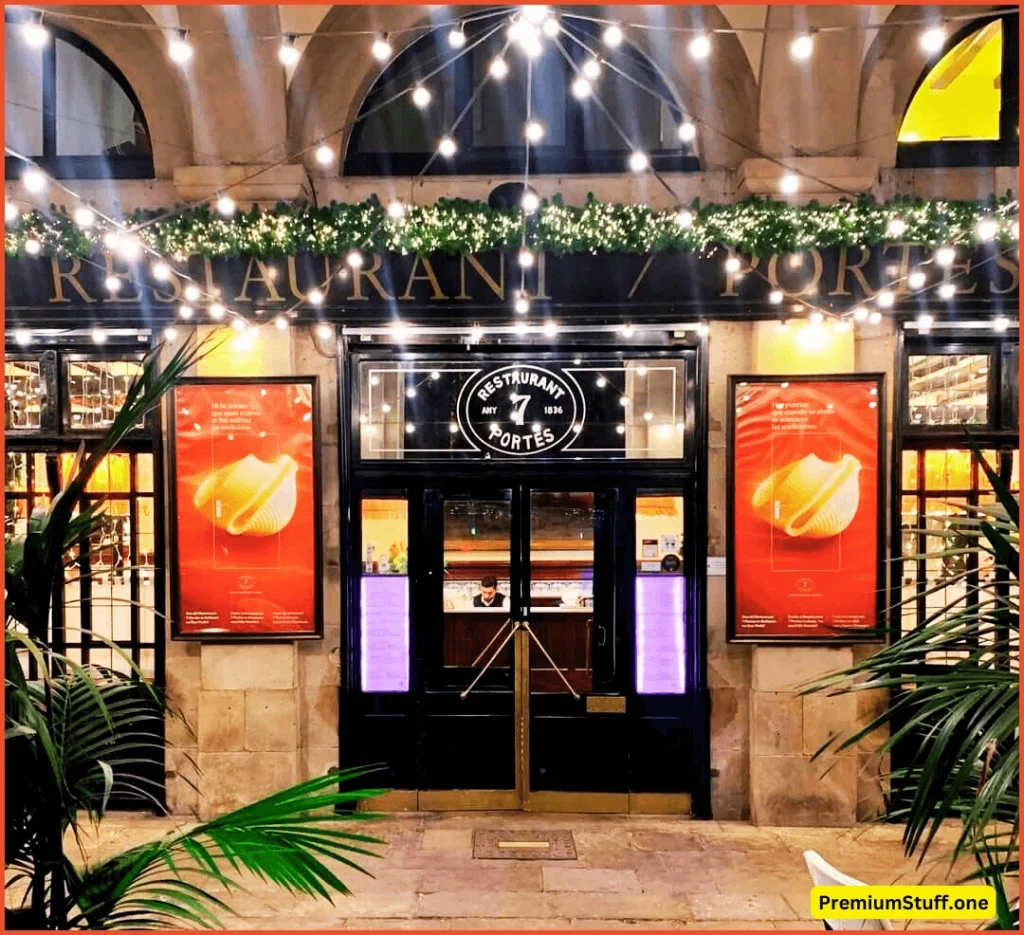
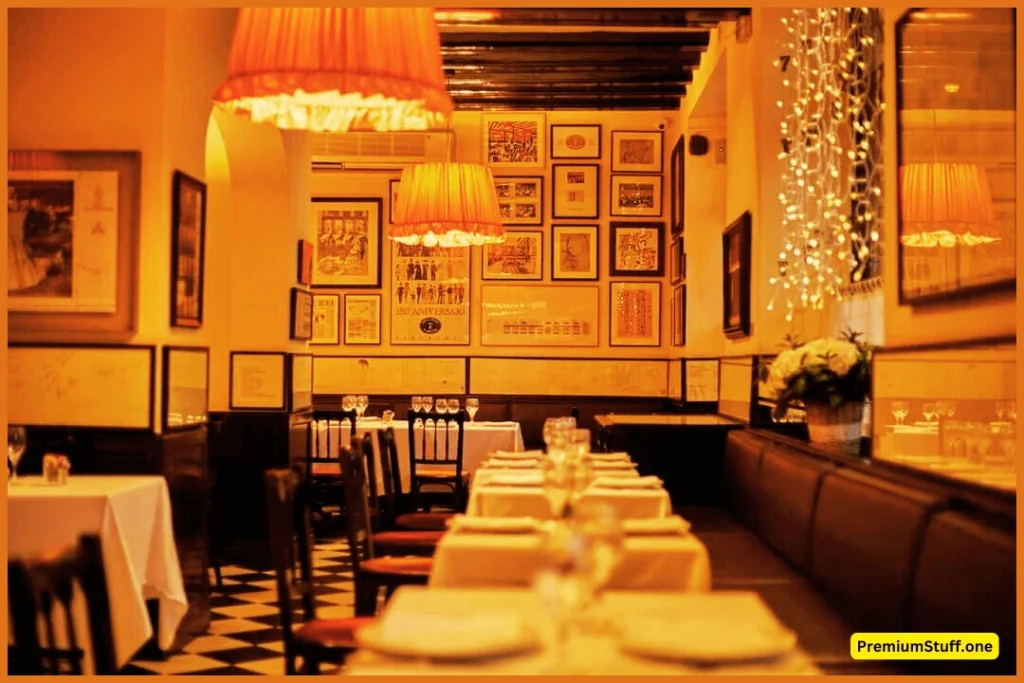
7 Portes
Known for its real seafood paella, this legendary restaurant offers one of the best food experiences ever in Barcelona. Portion sizes are generous, with a price range of €25–€40(USD 26 – USD 41) per person. Close to the Port Vell, it’s ideal for a traditional meal. (Instagram)
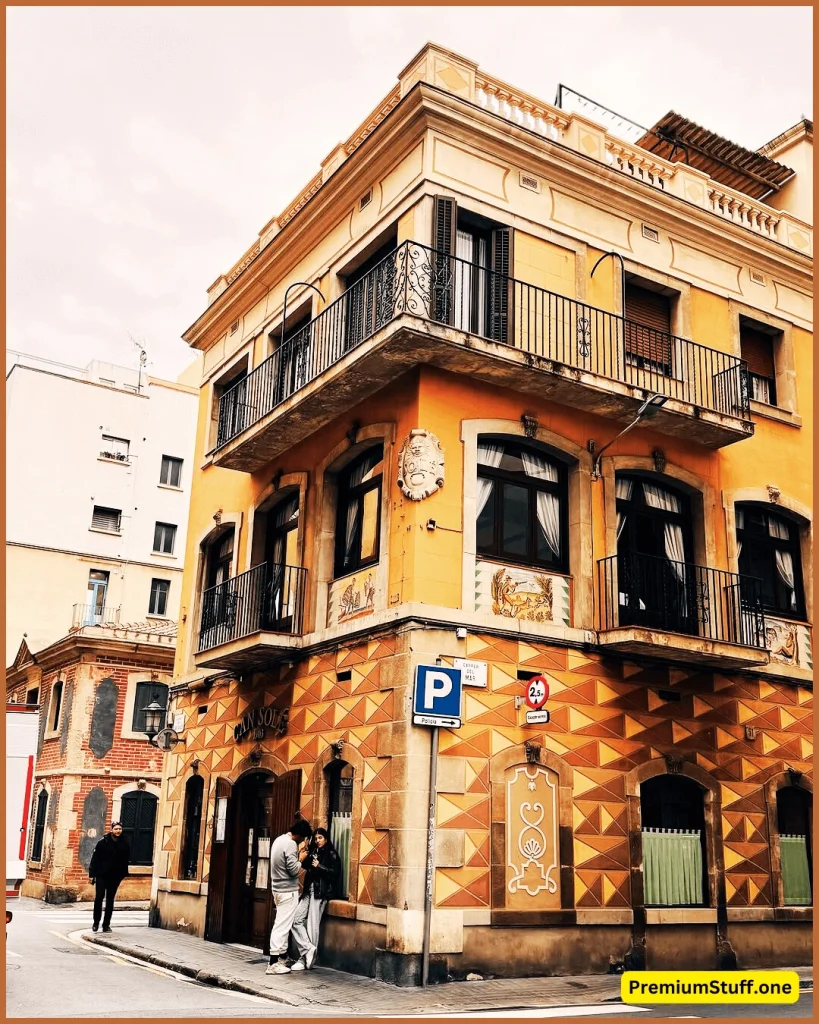
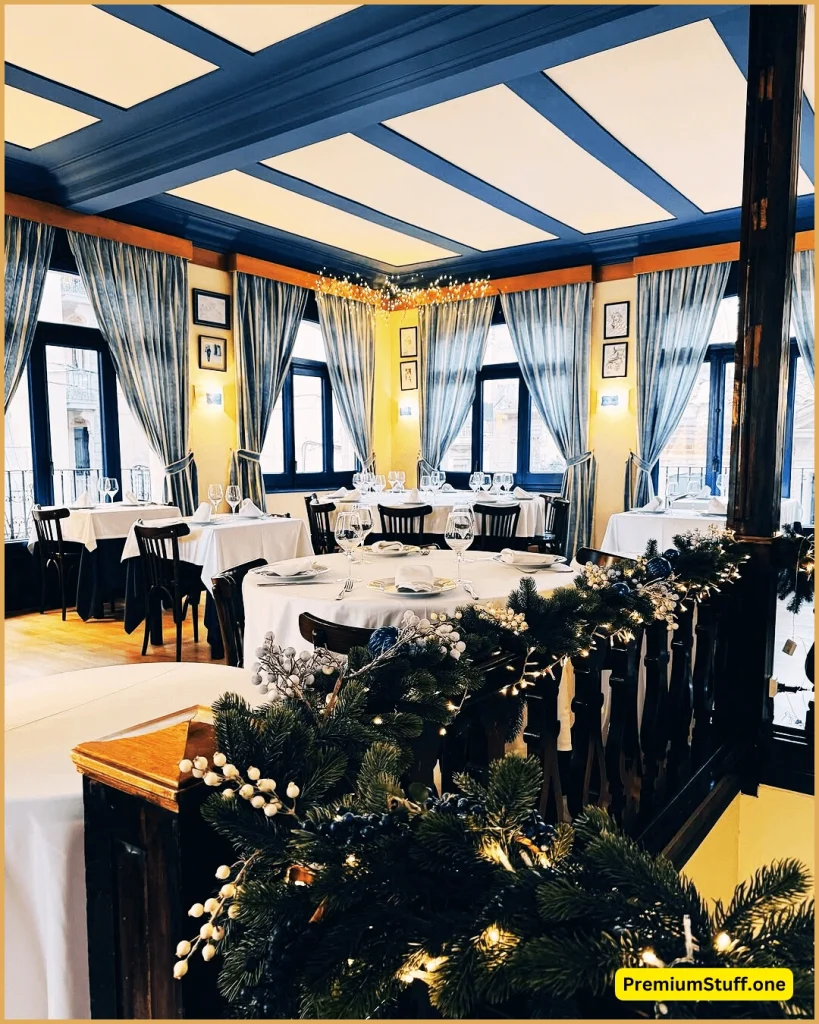
Can Solé
Established 1903 This Barceloneta fixture specializes in meat and seafood paella. Ranging from €20–€35(USD 21 – USD 36) per person, it is a must-try for anyone doing food in Barcelona. (Instagram)
Best Time to Eat
Have the paella at lunch — most restaurants make it fresh for midday service. In Spain, it’s traditionally not served at dinner, as it’s thought to be too heavy for the evening. If you are looking for food in Barcelona lunchtime is the perfect time to enjoy this dish.
Pairings
Enjoy paella with a glass of chilled white wine such as Albariño or a light red like Tempranillo. For a more festive kick, have it with sparkling cava. Sparkling water with lemon is a perfect, non-alcoholic match as well.
Local Etiquette
Each person eats directly from the pan, beginning with whatever section is closest in front of them. And do not mix the ingredients across the pan; it is a gesture of reverence to the dish — and to those with whom you are sharing it. In Barcelona, this custom is an indispensable element of enjoying food.
So head over to Barcelona to experience one of the rich food adventures that will give you an experience of eating paella in Barcelona. You really need to give it a try!
Jamon Iberico : A Cured Ham
Key Ingredients
jamon Iberico is a process that involves the hind legs of a distinct kind of pig found only in Iberia known as the Iberian pig. The acorn diet of the pigs also helps improve the flavor of the ham. The curing process employs sea salt and can range between 24 to 36 months, resulting in a rich, intense flavor that shines as one of popular food in barcelona.
Taste and Texture
jamon Iberico has an unrivaled flavor. Nutty, savory and slightly sweet, with a buttery finish that melts in your mouth. Each paper-thin piece is silky, with delicate marbling that infuses each bite with complexity. Its salty, umami taste is also incredibly persistent, so once you’ve tasted it, it never leaves you.
Visual Appeal
jamon Iberico is usually mounted on a wooden board or plate, with the slices fanned out. The deep red meat beautifully contrasts with the creamy white fat, making it as much a treat for the eyes as the palate. Its glossy sheen is a sign of the care taken in the curing process.
Origin Story
jamon Iberico originates in southern Spain where curing ham is a centuries-old tradition. It’s deeply embedded in Spanish culture and cuisine, evolving from a means of preservation to another form of gourmet treat. Such a manifun dish is a great display of the country’s artisanship, and you can’t miss it while having food in Barcelona.
Cultural Context
In Spain, jamon Iberico is not just food, it’s a symbol of celebration and hospitality. Wit is served often, for special occasions, from weddings to Christmas dinners. In Barcelona, it is one of a series of tapas, hypernetted into patrons as a quick nibble or as part of something bigger.
Variations
jamon Iberico de Bellota : The highest quality and most flavorful, this variety is made from acorn-fed pigs.
jamon Iberico de Cebo : Made from pigs that have been fed a combination of grains and acorns, with a less robust flavor.
Jamon Serrano : A cheaper variety, made from white pigs and cured for a shorter period.
Where to Try jamon Iberico in Barcelona
Jamonisimo
A specialty shop and restaurant devoted to premium cured hams. From €15–€25(USD 16 – USD 26) per plate, the jamon Iberico de Bellota is an absolute must! This Eixample spot is perfect for anyone looking for a gourmet experience.
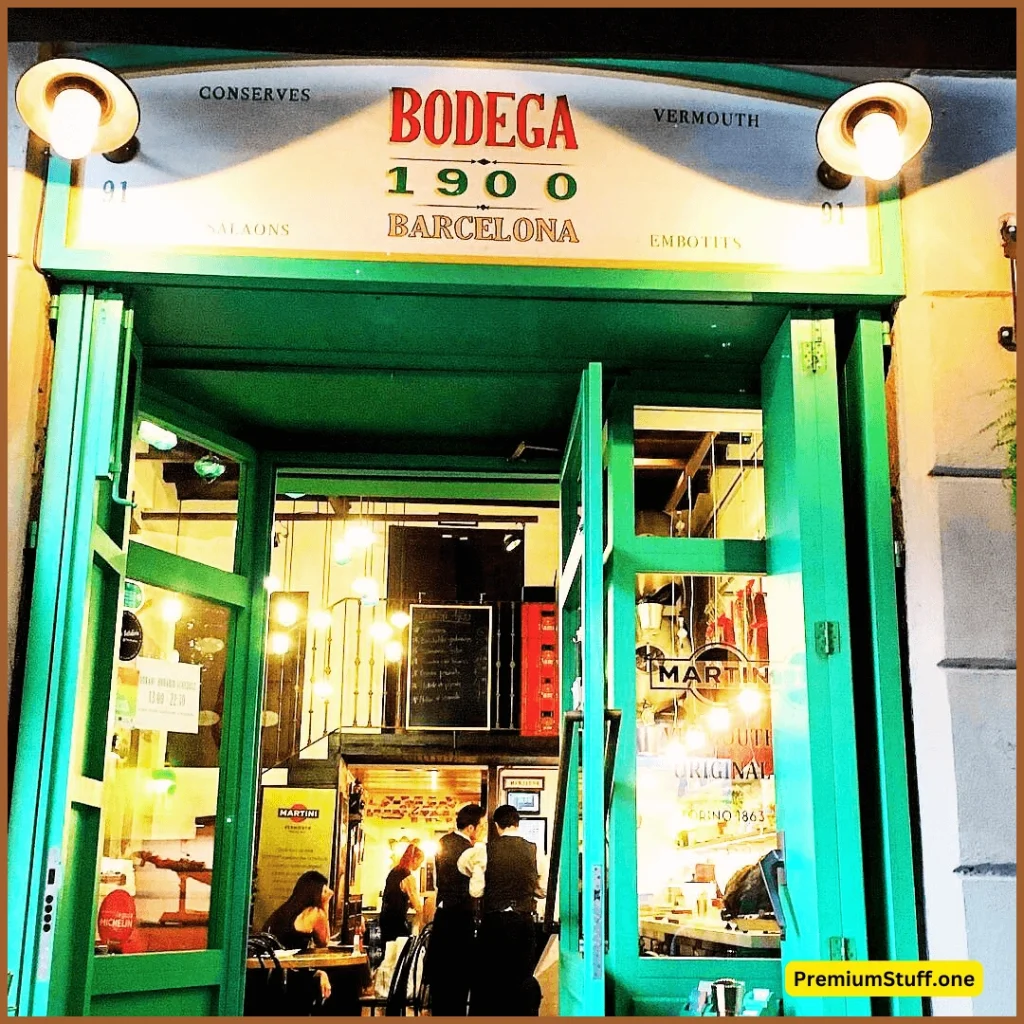
Bodega 1900
This restaurant specializes in top-quality tapas and classic Spanish flavors, with a highlight being its excellent jamon Iberico, and has a modern twist. Somewhere between €12–€20(USD 13 – USD 21) per serving.
Best Time to Eat
Got that up there, jamon Iberico can be enjoyed any time of day! It’s great as a mid-morning snack, an appetizer ahead of lunch or some tapas to go with drinks in the evening.
Pairings
Enhance the rich flavors of jamon Iberico by enjoying it with a glass of red wine, such as Rioja or Ribera del Duero. For something lighter, go with cava or a dry sherry like Fino. Accompany the ham with fresh bread, olives and Manchego cheese.
Local Etiquette
How To Eat jamon Iberico. Always eat jamon Iberico with a slice in your hands, as locals say this will allow the rich, delicate flavors to linger. Don’t eat it too fast, part of the experience is enjoying every slice. In some old-school bars, you’ll find the ham sliced straight off the leg, a sign that it’s the genuine article.
You can even try jamon iberio recipes at home..it’s easier to prepare and delicious as well..
The “Iberico” in “jamon Iberico” doesn’t just refer to a kind of cured ham. it’s a culinary treasure. It’s a must-try for anyone investigating food in Barcelona — whether you sample it in a busy tapas bar or an elegant restaurant.
Pan con tomate : Gastronomy of Barcelona
Key Ingredients
Pan con tomate, literally “bread with tomato,” is the vine-ripened, tomato-washed signature dish throughout Barcelona. Rustic bread with ripe tomatoes, garlic, olive oil and sea salt are the main actors. All the components are carefully chosen for the best flavor possible, with local olive oil and vine-ripened tomatoes in the lead role.
Taste and Texture
This dish has bright, fresh flavors and pleasing textures. It is toasted to a crisp crust and soft, airy interior. The garlic provides a gentle punch, and the tomato an appetizing, juicy tang. The richness of the olive oil binds everything together, and the sea salt accentuates every flavor.
Visual Appeal
Despite its simplicity, pan con tomate is a feast for the eyes. The tomato is a bright red and is nicely contrasted with the bread, which is sparkling with olive oil in its golden brown crust. It’s usually given to you on a wooden board or a homey plate, functionally comforting but also appetizing.
Origin Story
Pan con tomate, or pa amb tomàquet in Catalan, has its roots in rural Catalonia. It was invented by farmers as a means of repurposing old bread by making it soggy with tomatoes and olive oil. Over time, it grew into an iconic food in Barcelona, beloved for its simplicity and flavor.
Cultural Context
In Barcelona, pan con tomate is not just bread — it’s a cultural tradition. Locals commonly begin meals with it or have it as a tapa with drinks. It’s also a common accompaniment to cured meats, cheeses and other small dishes, and that versatility makes it a central part of the culinary landscape.
Variations
Pan con Tomate Clásico : Bread, tomato, garlic, olive oil and salt.
With toppings : Sometimes, anchovies, Serrano ham or Manchego cheese.
Modern Takes : Some chefs include variations such as flavored oils or unconventional types of bread.
Where to Sample Pan con Tomate in Barcelona
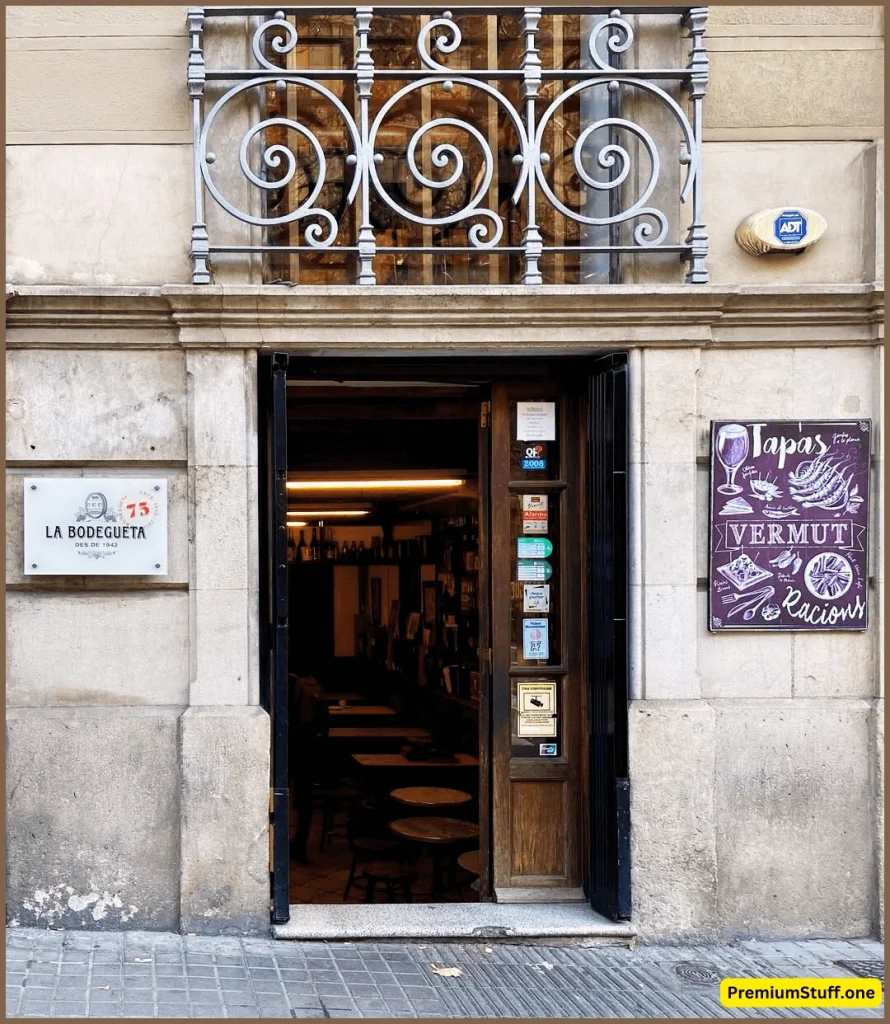
La Bodegueta
Just near Passeig de Gràcia, this cozy little place offers the best pan con tomate, with first quality olive oil and rustic bread. Prices vary from €4–€7 per serving.
Quimet & Quimet
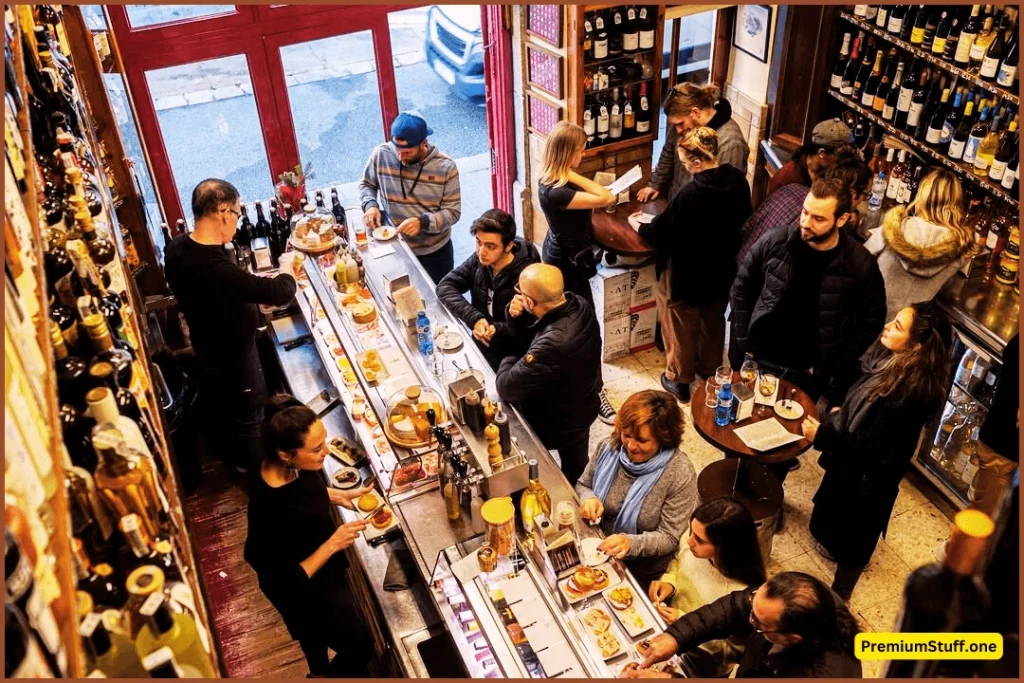
A famous tapas bar known for serving delicious and uncomplicated food. Their pan con tomate goes well with their cured meats and is €5–€8.
Best Time to Eat
Pan con tomate is good any time of day and with almost anything, really. It’s an amazing breakfast, a light tapa for lunch or a starter before dinner.
Pairings
Serve pan con tomate with a glass of cava for a refreshing contrast or a young red wine such as Garnacha for a richer pairing. It pairs nicely with local beers or sparkling water for a casual option.
Granacha
Local Etiquette
Locals make it at the table, rubbing garlic and tomato directly onto the bread before drizzling it with olive oil and sprinkling it with salt. This coming-together of food and people is a classic part of the experience and reflects the simplicity at the core of cooking in Barcelona.
Pan con tomate is one such dish that manages to make the best of simple ingredients and to turn a few into something special. Whether you eat it alone or as part of a tapas spread, it’s one of the must-try dishes for anyone sampling food in Barcelona.
Tapas
What is Tapas?
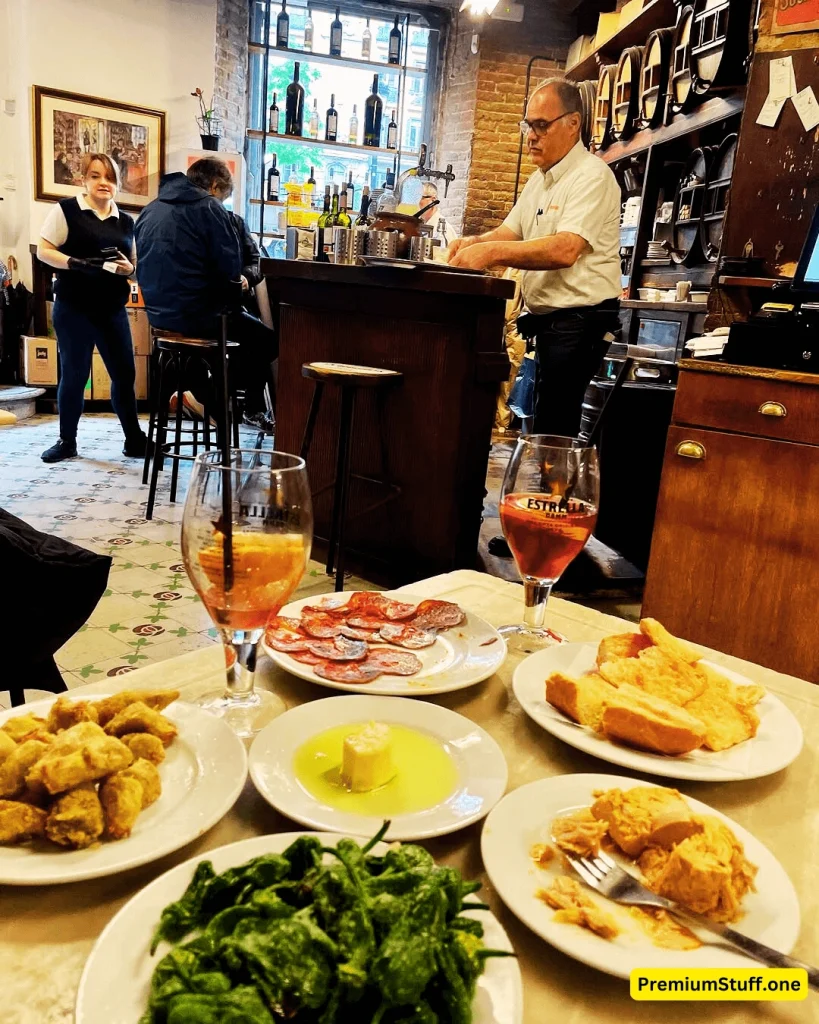
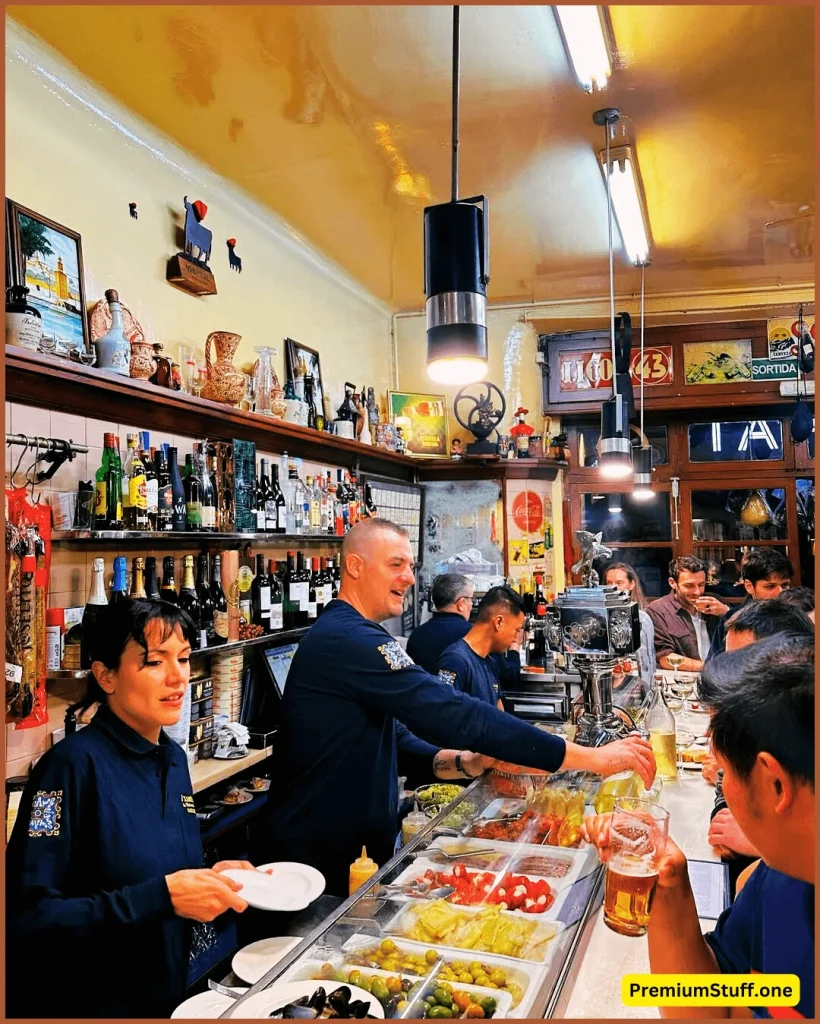
A tapas tour is a must-have experience in Barcelona, tapas can be of any sizes and flavours. These little dishes are made with fresh, local ingredients, such as olive oil, garlic, tomatoes, seafood, cured meats and cheeses. Popular choices are patatas bravas (fried potatoes with spicy sauce), grilled prawns and Spanish omelets (tortilla española). The diversity means there’s something for every taste.
Taste and Texture
Tell us about the experience of tapas. Crunchy patatas bravas come with spicy and creamy sauces. Juicy well seasoned grilled prawns, Serrano ham melts in the mouth, pan con tomate (bread with tomato) crackles, sharp and fresh. The textures, with everything from crunchy to creamy, keep each bite intriguing.
Visual Appeal
The colors and flavors are as varied as tapasi itself. Think bright red sauces, golden fried potatoes and glistening seafood, arrayed on small plates. The different shapes and colors make the table look like a feast, enticing diners to dig in.
Origin Story
Tapas started in Andalusia, but became a keystone of food in Barcelona. The word “tapas” means lids, and legend has it that bartenders would use small plates or slices of bread to cover drinks and keep flies away. Gradually these covers became snacks, the tapas we know and love today.
Cultural Context
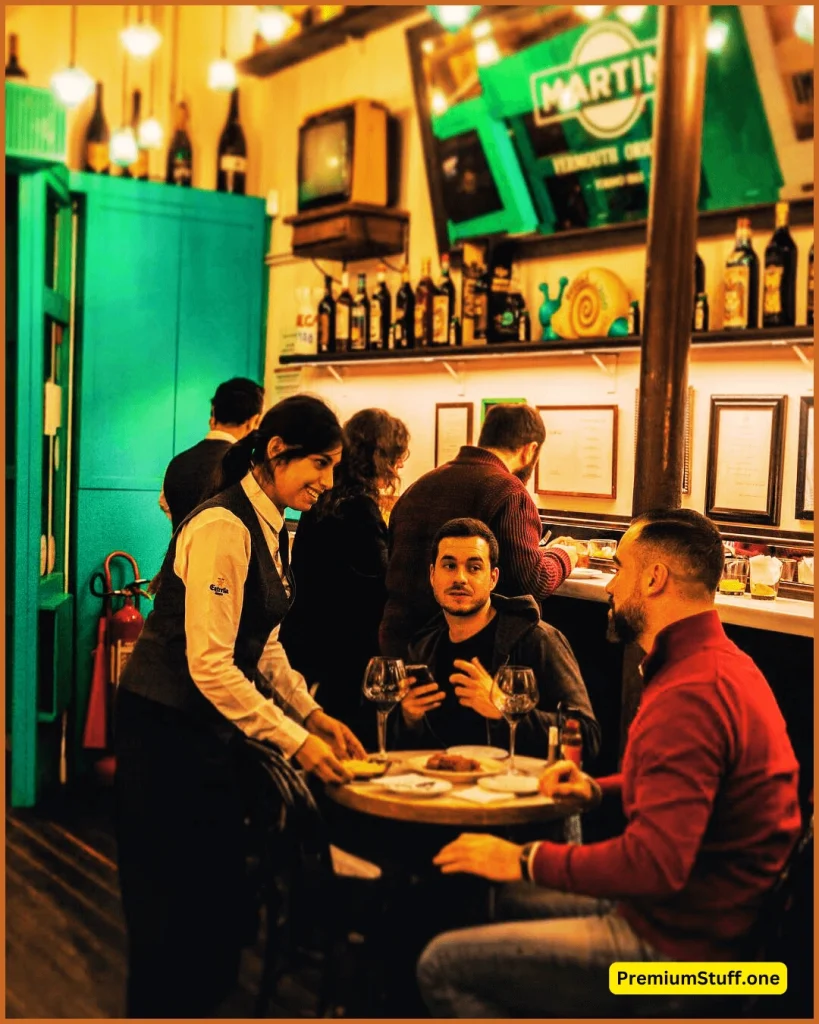
In Barcelona, tapas are synonymous with socializing and sharing. Neighborhood residents enjoy tapas — small plates accompanied by drinks — at tapas bars, chatting and mingling with friends and family. Tapas are not just food; they’re a way of life and determinedly part of food in Barcelona.
Variations
Tapas take innumerable forms.
Cold Tapas : Pan con tomate, olives, and cured meats such as jamón ibérico.
Hot Tapas : Gambas al ajillo (Turmeric Garlic Shrimp), meatballs in tomato sauce, croquetas (fried croquettes).
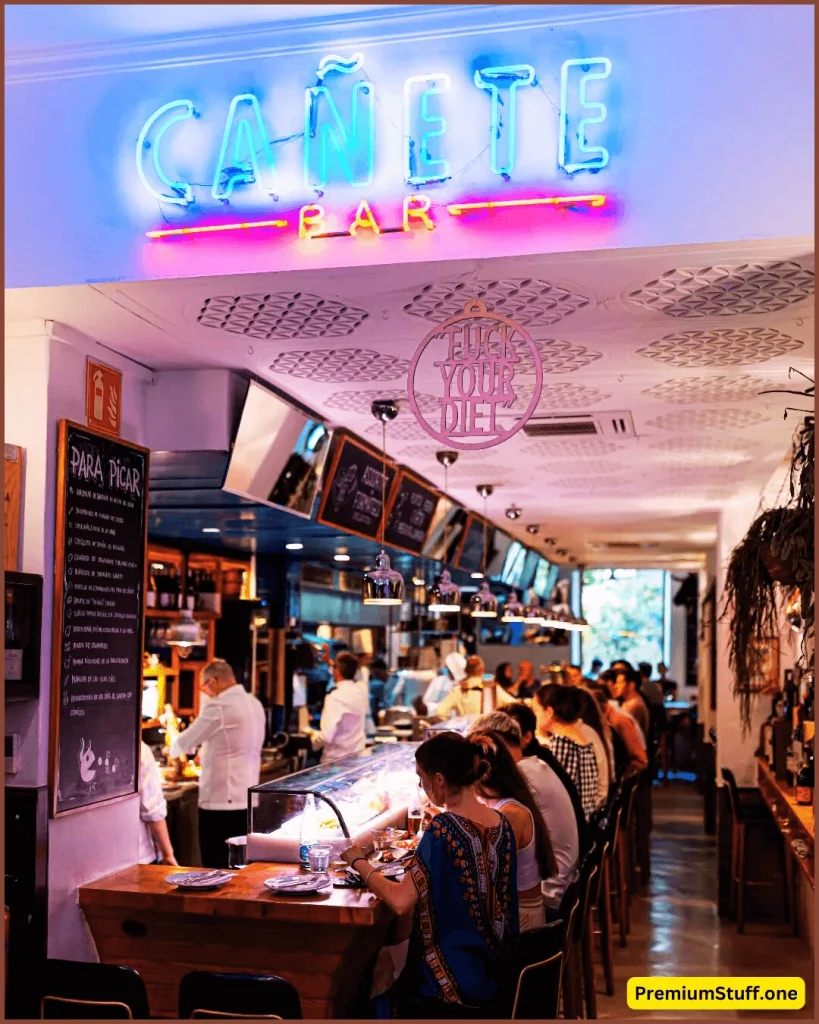
Highly demanded tapas bar near La Rambla serving great tapas in a modern style. With plates typically between €4–€15, it is perfect for a casual yet fancy tapas experience.
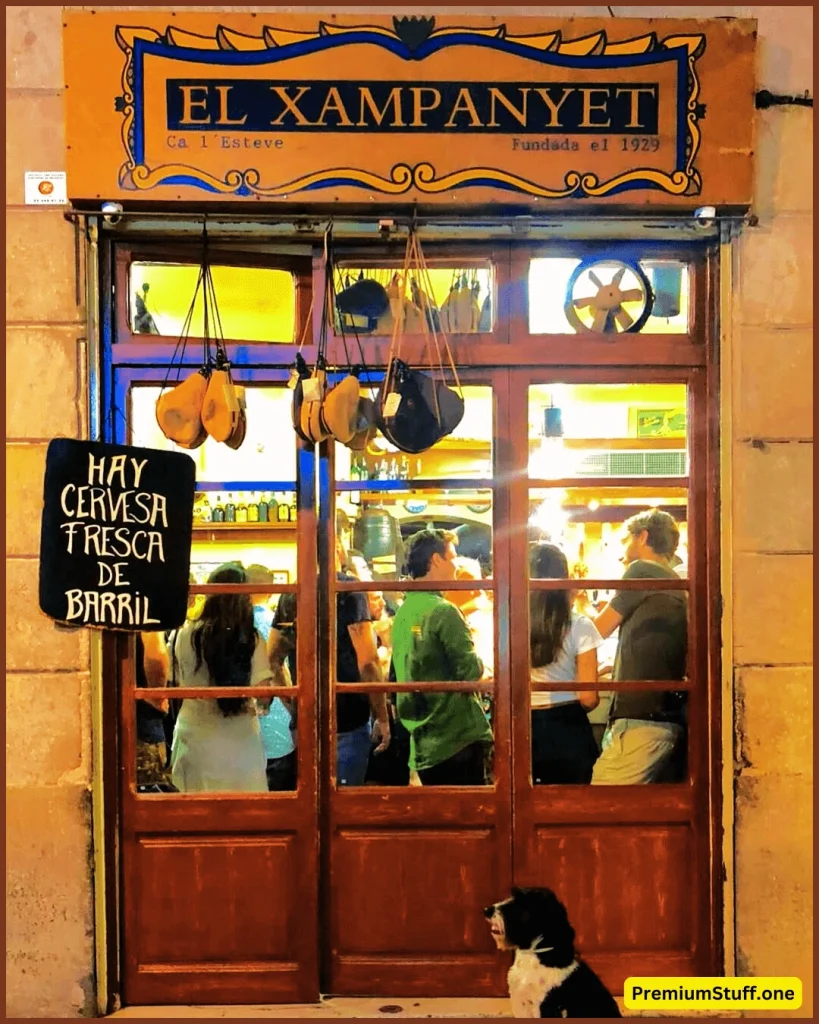
El Xampanyet
In El Born, this bar specializes in classical tapas, such as anchovies and pan con tomate. Prices are reasonable, at €3–€12 per plate, and the atmosphere is lively and real.
Best Time to Eat
Tapas can be enjoyed at any time of the day, but locals typically eat them as an afternoon snack or at dinner. They’re especially widely used in the evening when people go out for drinks and small bites after work.
Pairings
Serve tapas with a glass of Spanish red wine, such as Rioja, or with a crisp white like Albariño. The flavors are also well complemented by sangria or a refreshing glass of cava. For a mocktail, have it with sparkling water and a lemon slice.
Albariño
Local Etiquette
With tapas, start with a few dishes, and add on, if necessary. Part of the experience here is sharing with others, so be sure to try a bite off everyone’s plate. It’s traditional for locals to eat standing at the bar, especially in tapas bars, to maintain informality and activity.
Tapas are much more than small plates, they’re a celebration of flavors, culture, and community. This is a must when it comes to food in Barcelona, and you can not say you have visited the city until you do this!
Gazpacho : Barcelona’s culinary offerings
Gazpacho is a refreshing, peak produce dish from Barcelona. The essential components are ripe tomatoes, cucumbers, bell peppers, garlic, onion, olive oil, vinegar, and, for texture, stale bread. Some recipes include a pinch of cumin or paprika for flavor. All of these elements lead to gazpacho being one of the best foods in Barcelona.
Taste and Texture
Has a bright and refreshing flavor. The tomatoes lend sweetness, the cucumbers lend coolingness, and the bell peppers lend a mild, earthy flavor. Olive oil offers richness, and vinegar counterbalances it all with a bit of tang. This has a smooth, velvety texture that feels great on hot days.
Visual Appeal
This cold soup is as pretty as it is delicious. It’s a thick, deep red from the tomatoes, often topped with diced vegetables, fresh herbs or a drizzle of olive oil. The bowl alone resembles a summer garden and beckons a sip.
Origin Story
Gazpacho, which hails from Andalusia, in southern Spain, can be traced back centuries. It started as a simple meal for field workers, who made a nutritious and cooling meal from local vegetables. It gradually gained popularity across Spain, including in Barcelona, where it’s now a beloved part of the food culture.
Cultural Context
In Barcelona, gazpacho can be a summer staple — served as a starter or a light meal. Locals love it for its refreshing qualities and for making good use of the region’s fresh fruits and vegetables. It’s also a fixture at many tapas bars, providing a healthier option amid the range of rich food on offer in Barcelona.
Variations
Traditional Gazpacho : The classic recipe with tomatoes, cucumbers and peppers.
White Gazpacho (Ajo Blanco) : With almonds, garlic, bread and grapes, it’s creamy and nutty.
Fruit Gazpacho : Try these variations with watermelon, strawberries or cherries for a sweeter option.
Where to Eat Gazpacho in Barcelona
Teresa carles raval
A popular place for healthy and vegetarian dishes Their gazpacho is fresh, flavorful and costs around €6–€9 a bowl.
Bar Mut
A stylish, modern bistro doing a traditional version of gazpacho with high-end ingredients. Dinner kits cost between €8–€12 per serving.
Best Time to Eat
This is delicious when eaten in warmer months, especially summer. It’s great for lunch or as an appetizer at dinner, a light but still filling option.
Pairings
Serve gazpacho with crusty bread or a light salad for a full meal. With drinks, a crisp white wine such as Albariño or a glass of chilled cava pairs beautifully with the soup’s freshness.
Local Etiquette
Served its proper way, the locals sip it directly from a glass or use a spoon to eat it from a bowl. Don’t ask for extra stuff, unless they become topping options — the flavor balance is part of the experience.
Gazpacho is a dish that embodies summer at its delicious peak, which for the food in Barcelona is about as good as it gets. Visitors in search of a lighter take without forgoing flavor can make the must-try option their own.”
Fideua : A Catalan noodle dish similar to paella.
Fideua is a flavorsome noodle dish made with vermicelli-style noodle (called fideus) and seafood, such as prawns, squid or mussels, and a rich broth infused with saffron, garlic and tomatoes. Finally, the dish is finished with olive oil, paprika and sometimes alioli (garlic mayonnaise). That paella also exemplifies how food in Barcelona can be so many things. this is a delicious version of a crowd-pleasing dish.
Taste and Texture
Has a briny, seafood-profile flavor with a touch of smokiness thanks to the paprika. The noodles soak up the flavorful broth, forming a tender but crisp crust where they touch the pan. The saffron lends a warmth and an earthy base note, and the alioli a creamy foil.
Visual Appeal
Sunny and inviting dish. The saffron gives a golden hue and the prawns are bright pink and the tomatoes are deep red — feasting for the eye. Since it is often served straight out of the pan it’s cooked in, the dish has a rustic yet elegant feel.
Origin Story
Fideuà, a variation of paella, comes from the coastal town of Gandia in Valencia. It was created by fishermen when they substituted noodles for rice, seeking a lighter dish to sell to customers. It expanded all over Spain and became a staple in Barcelona.
Cultural Context
In Barcelona and elsewhere, fideuà is revered as a classic Catalan dish, often served for family gatherings or celebratory occasions. It captures the region’s strong relationship with the sea, with its focus on fresh seafood and vibrant flavors.
Variations
Standard Seafood Fideua : The main ingredients are squid, prawns and mussels.
Fideua de Carne y Verdura : Enriched with chicken, rabbit, or seasonal vegetables for a heartier variation.
Black Fideua : Squid ink gives this dish a dramatic look and deep, briny flavor.
Where to Eat Fideua in Barcelona
Can Solé
Specializing in fideua, this traditional seafood restaurant is in Barceloneta. (Their classic seafood version is about €18–€25 per person.) (images are in an above section)
El Suquet de l Almirall
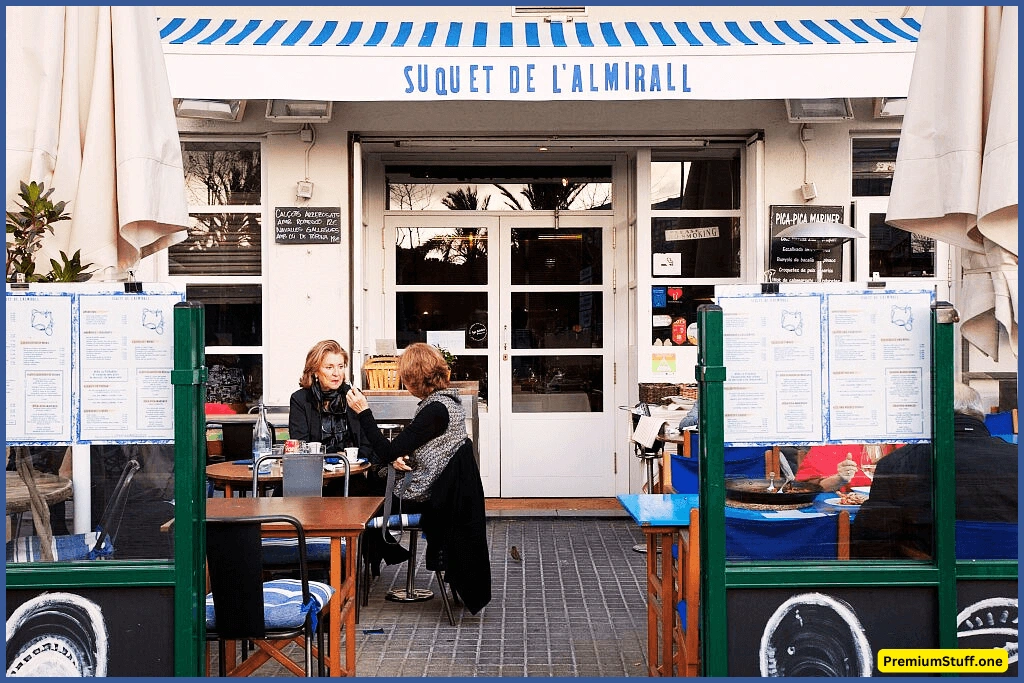
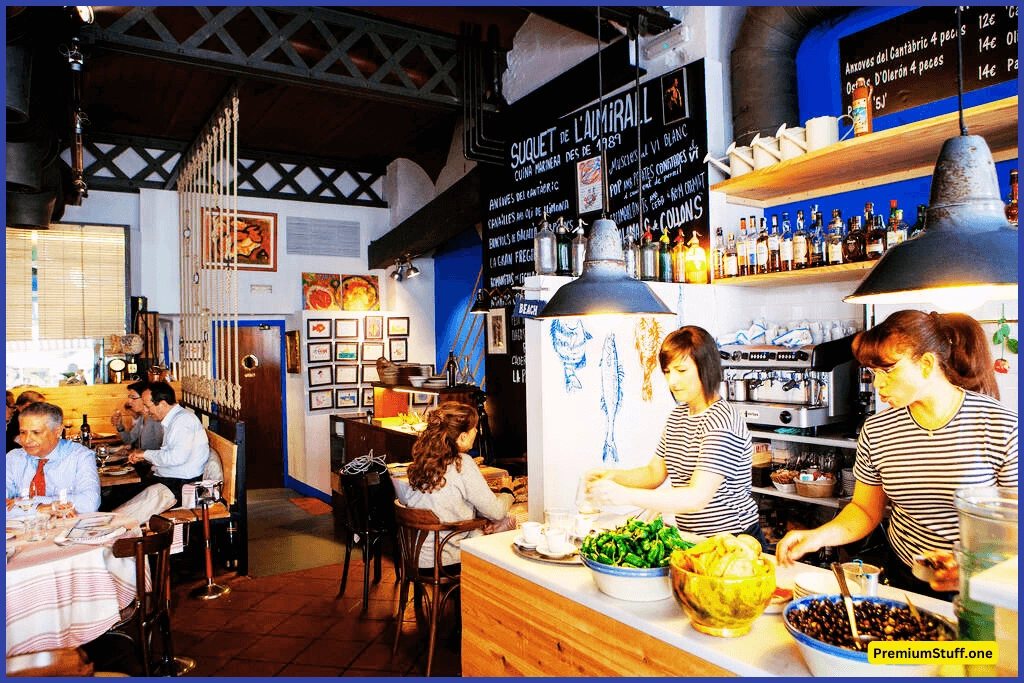
Unpretentious, in a contemporary way, close to the beach, rich, flavorful fideua for around €20–€30 a head.
Best Time to Eat
Best at lunchtime. it’s a rich, filling dish. It’s especially popular on weekends when families and friends come together to break bread.
Pairings
And for a summer vibe, pair it with a glass of chilled white, perhaps Verdejo, or even something light and rosé. If you want something local, pick up a sparkly cava. It is perfectly balanced by fresh bread and a side salad.
Local Etiquette
In typical fashion, fideua is served right from the pan, so everyone can share. Locals often slather a dollop of alioli(Garlic Myonnaise) over the top of their plate for added creaminess. Conclude your meal on a light note with a dessert such as crema catalana.
Crema Catalana
The fideua is a fun alternative to paella and a testament to imagination in food in Barcelona. The dish’s bold flavors, vibrant presentation, and comforting texture make it a must-try for anyone visiting Raja Ampat and looking to explore the city’s rich culinary heritage.
Butifarra : A Catalan Sausage in Barcelona
Key Ingredients
Butifarra is a typical Catalan sausage prepared with pork, salt, black pepper and in some regions also garlic or other spices. There are a few varieties, some of which add ingredients such as herbs or truffles. Arguably one of the best things about it though is how simple the preparation ensures the quality of the meat, which is exactly what a local will warn you about this being one of their favourite parts of their food scene in Barcelona.
Taste and Texture
Butifarra is a wonderfully rich yet savory sausage with a hint of peppery goodness. It’s firm, then juicy, and has a pleasantly chewy bite. It develops a smoky, caramelized crust when grilled, for a more intense flavor, while boiled or stewed versions have a softer texture and a milder taste.
Visual Appeal
Grilled, this sausage puffs up and becomes golden-brown outside, served sliced or whole on a rustic wooden platter. It is typically served with colorful accompaniments such as grilled vegetables or white beans, making the dish not just appetizing but also hearty.
Origin Story
This is ancient which dating back to Roman times. It is among the oldest sausages in Europe and is a staple of Catalan cuisine. Over centuries it evolved to suit local tastes and became a staple in homes and restaurants. Today, it’s a proud showcase of food in Barcelona and the larger Catalonia region.
Cultural Context
In Barcelona, butifarra is a multipurpose dish which served at informal lunches, celebratory meals and even street fairs. It’s frequently served at calçotades (traditional Catalan barbecues) or in beefy winter stews. It is a favorite among locals and tourists for its simplicity and flavor.
Variations
Butifarra Blanca : A type of white sausage, which contains no blood, highlighting the flavour of the pork.
Butifarra Negra : Made with pig’s blood for a darker hue and a fuller, meatier flavor.
Spiced Butifarra : Has extra spices such as cinnamon, anise or nutmeg for a twist.
Where to Sample Butifarra in Barcelona
Can Culleretes
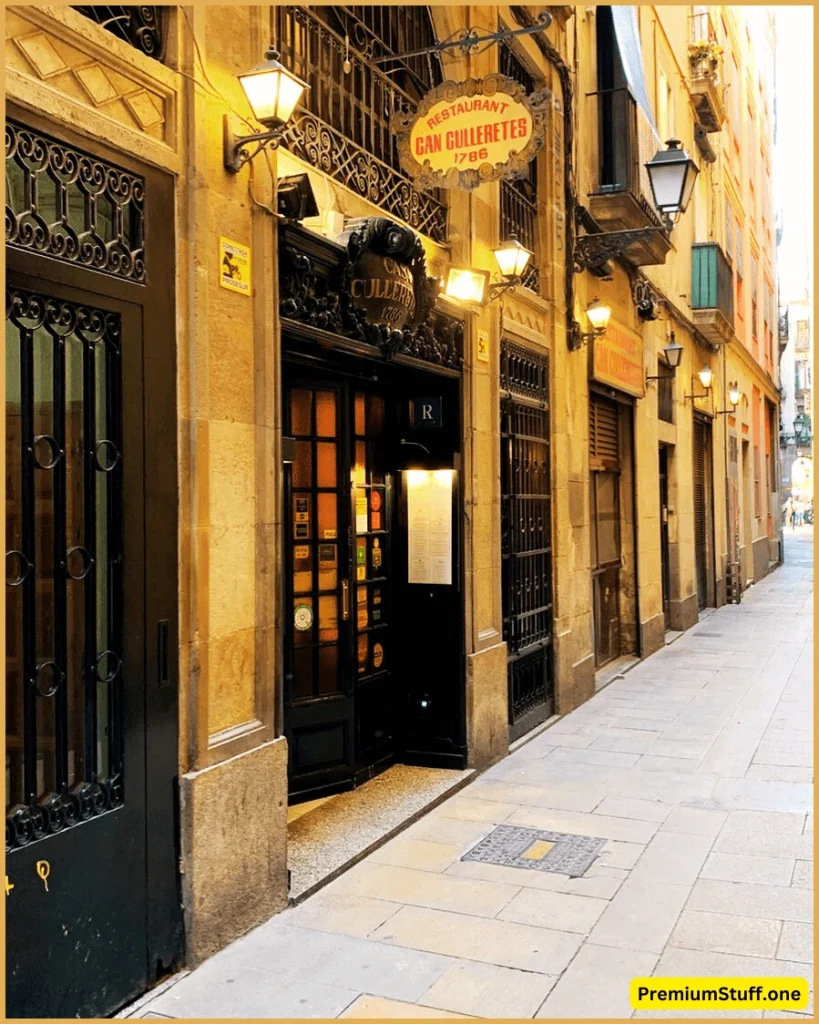
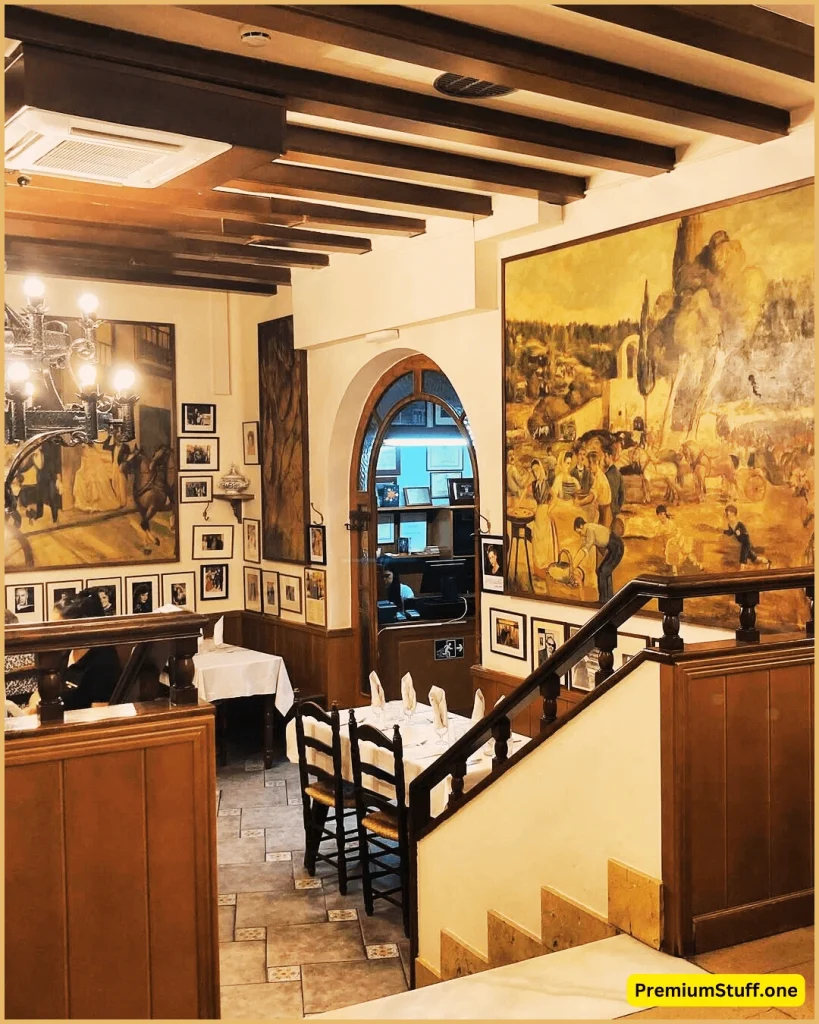
Barcelona’s oldest restaurant is here, serving traditional grilled butifarra with white beans for about €12-€18.
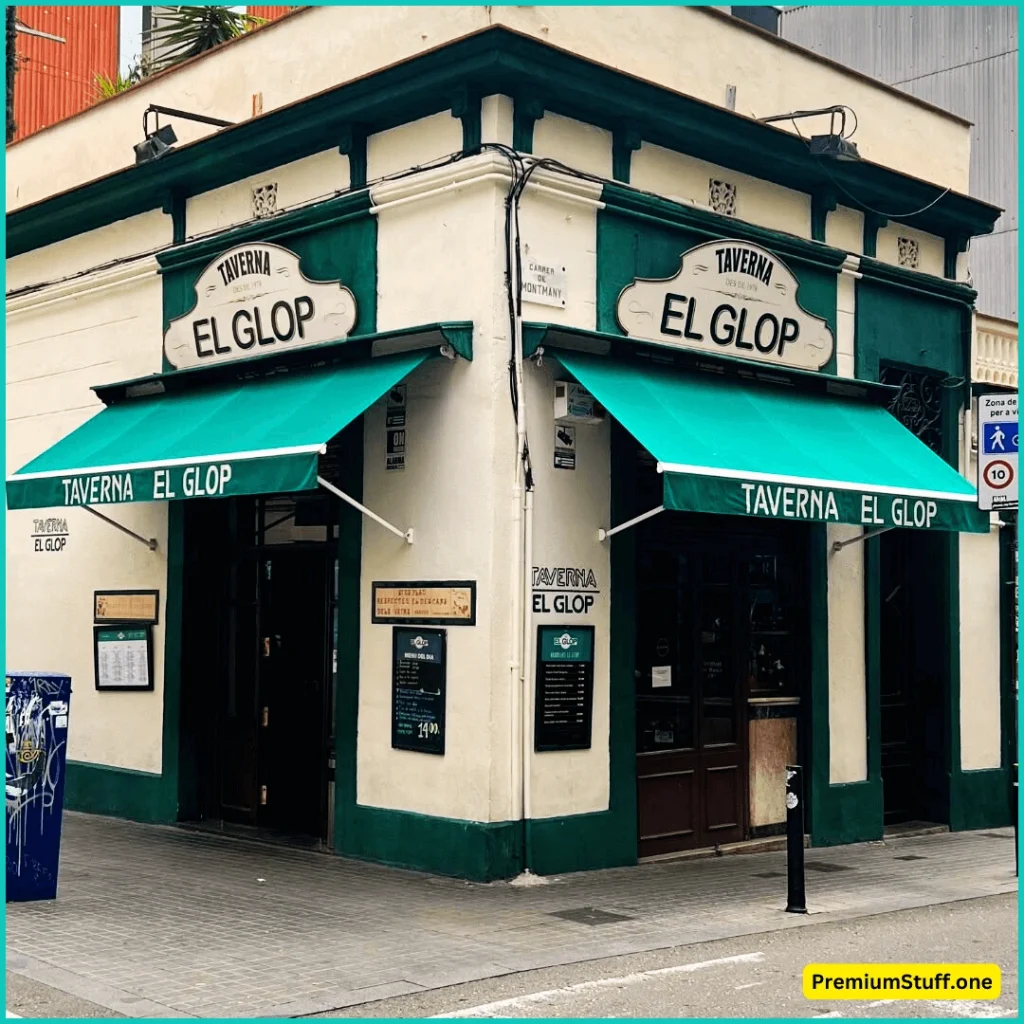
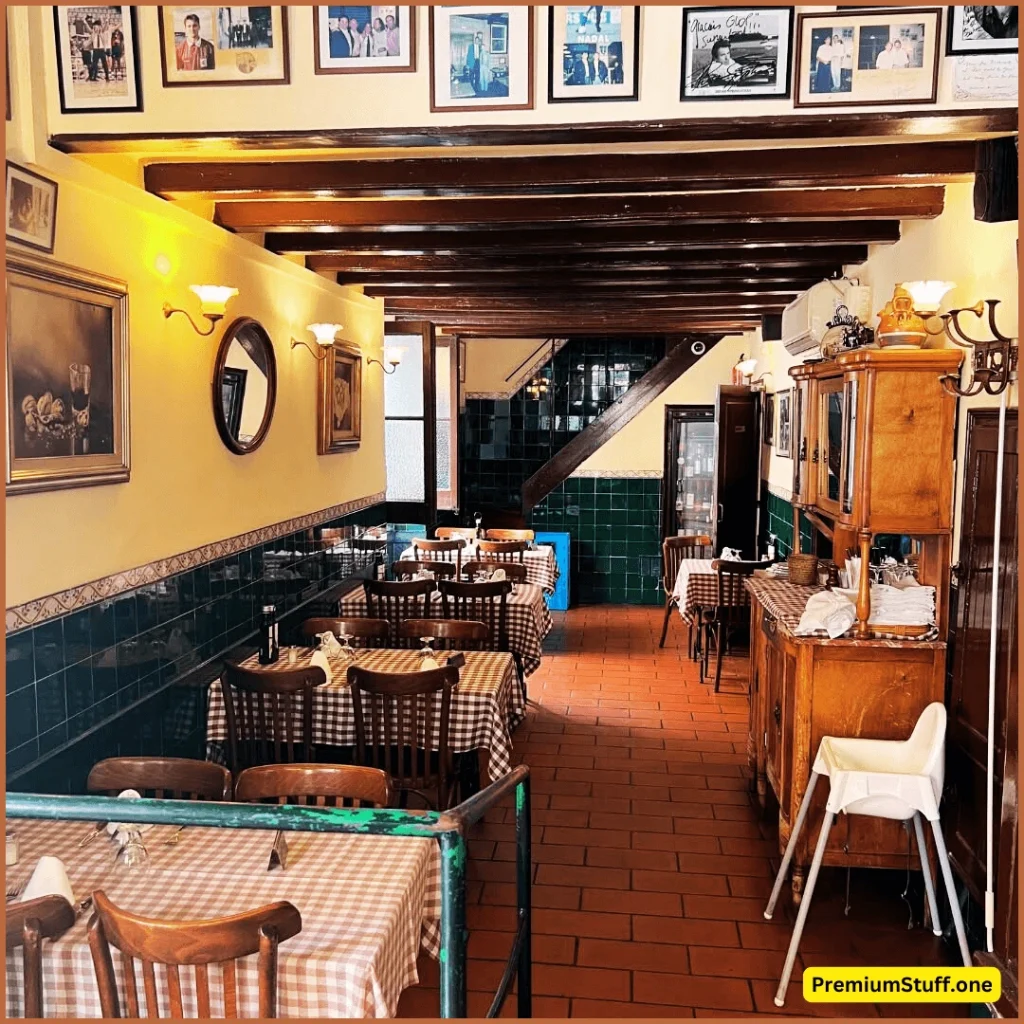
Taverna El Glop
A casual restaurant serving Catalan comfort food. Their butifarra with seasonal vegetables is €10–€15.
Best Time to Eat
Butifarra is a year-round dish you can make. It’s particularly reassuring this time of year or at a leisurely weekend lunch.
Pairings
If you pair if with a glass of red wine — Priorat, for instance — or some dark beer, you get a rich, hearty combination. Traditional accompaniments might include grilled vegetables, sautéed mushrooms or creamy white beans. A crisp cider makes a good lighter pairing too.
Local Etiquette
If you eat butifarra at a traditional Catalan barbecue, you typically serve yourself straight off the grill. Locals eat it with a piece of crusty bread and a drizzle of olive oil, allowing the flavors of the sausage to take center stage.
Butifarra is a dish rich in the soul of Catalan cuisine. Its ease of preparation, powerful flavors, and cultural importance makes it part of food in Barcelona. Whether grilled to perfection or stewed or cooked in soups, it’s an absolute must for anyone sampling the cuisine of the city.
Calcots : Grilled spring onions, often dipped in romesco sauce
Key Ingredients
Calcots are a mild, sweet variety of spring onion. The dish features these onions grilled over an open flame until charred. They are classically accompanied by a romesco sauce, made of roasted red peppers, almonds, hazelnuts, garlic, olive oil and vinegar. They add up to an experience of food in Barcelona that is real and original.
Taste and Texture
Grilling Calcots gives them smoke-kissed sweetness and they are tender and juicy. The crispy skin sits in stark contrast to the gooey flesh and each bite has a satisfying textural balance. The romesco sauce adds nutty tang to the allium’s natural sweetness.
Visual Appeal
These are served in a rustic, theatrical manner and Piles of burned onions are usually served on terra cotta tiles or wooden boards, with bowls of bright orange romesco sauce. Its charm is in the slightly messy, hands-on eating process.
Origin Story
Calcots are native to Catalonia and where they are thought to have originated in the town of Valls. Farmers found that Earth interring the onions as they grew multiple times gave a succulent, elongated veg excellent for grilling. Today, they’re a beloved seasonal specialty and one of the most celebrated foods in Barcelona.
Cultural Context
Calcots are the star of calcotades, traditional Catalan feasts taking place over wintertime. The communal meals celebrate grilled Calcots along with grilled meats, wine and merriment. They represent a communal and festive tradition within Catalan culture.
Variations
Calcots a la Brasa with Romesco : The traditional version, roasted and complemented by the signature sauce.
Oven-baked Calcots : It’s cooked in an oven, so while the vinegar maintains that tender texture, you lose the smoky taste.
Calcot-Inspired Dishes : Some contemporary cooks have started adding calçots to soups, salads or even croquettes.
Where to Eat Calcots in Barcelona
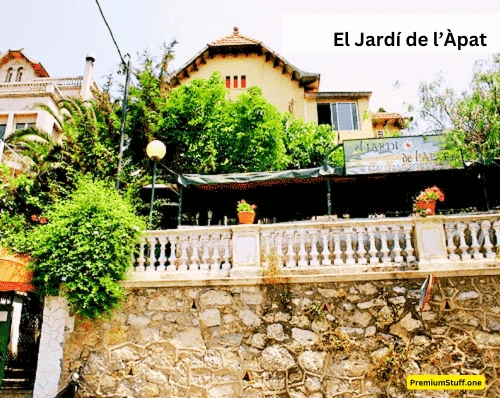
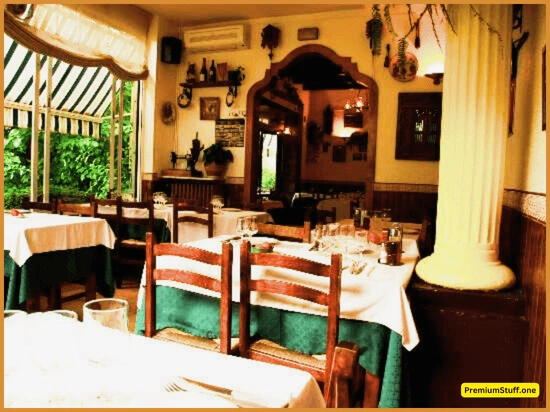
El Jardí de l’Àpat
This restaurant near Parc Güell specializes in traditional calcotades. €25–€35 a serving, plus grilled meats and wine.
Can Travi Nou
A farmhouse en restaurant serving real Calcots by the season. Price is €20–€30 per person.
Best Time to Eat
Calcots are only in season from late November to early April and January and February are the peak months for the freshest, sweetest calçots.
Pairings
Enjoy Calcots with a glass of cava or a light red wine such as Garnacha,And Sparkling water or a fresh lemonade makes a good weed-whacker for the smoky flavors, if you’re not drinking alcohol. In addition Meats grilled or hearty Catalan stews often accompany Calcots, during calcotades.
Local Etiquette
These are eaten in a hands-on way. Peel away the smoky, caramelized exterior, dunk the soft onion into romesco sauce, raise it in the air above your head and take a bite. In fact, locals often wear bibs to avoid messes and truly enjoy the playful, communal nature of the meal.
Calcots are the best of Catalan culinary traditions — seasonal, simple and supertasty. For anyone looking to enjoy interesting food in Barcelona, this is something you should try, and it is a unique way to engage with local culture and cuisine.