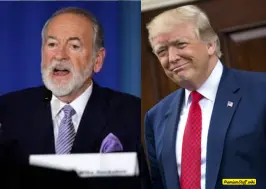
The Hague, Netherlands — In a diplomatic pivot, President Trump greenlights a European-funded arms pipeline to Ukraine, crediting NATO chief Mark Rutte for turning skepticism into solidarity.
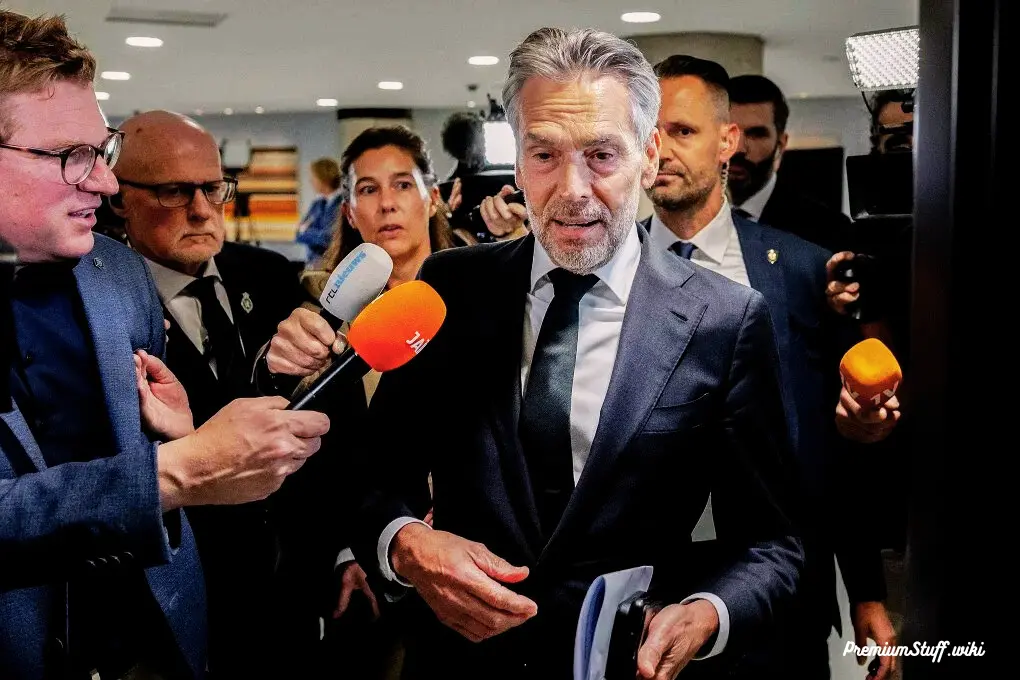
WASHINGTON D.C.—When NATO Secretary General Mark Rutte landed in Washington this week, he carried a deal that would reshape the Ukraine war effort—and fulfill Donald Trump’s demand that Europe “pay its fair share.” The result: a fast-tracked weapons transfer program, funded entirely by European allies but supplied by the U.S., designed to rush Patriot missiles to Ukraine within days.
The “Patriot Puzzle”: Europe Pays, U.S. Produces
Rutte’s closed-door meetings with Trump, Secretary of State Marco Rubio, and Defense Secretary Pete Hegseth finalized a plan months in negotiation. European nations—including Germany, Norway, and the Netherlands—will purchase U.S.-made arms, which NATO then channels to Ukraine. The mechanism shields Trump from accusations of abandoning his “America First” doctrine while accelerating Kyiv’s access to critical air defenses.
“NATO becomes the clearinghouse”
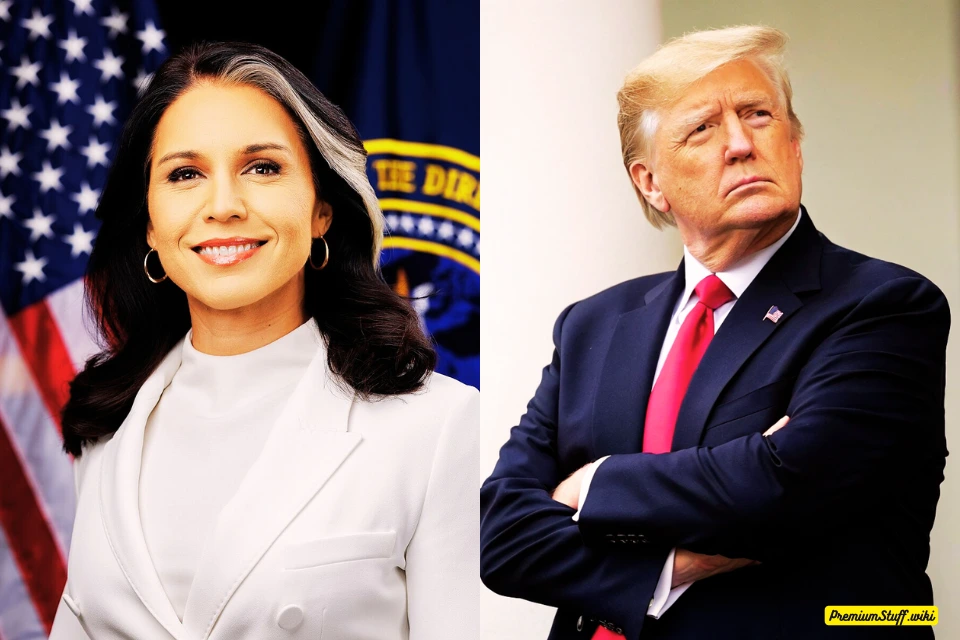
“We’re sending sophisticated weapons, and they’re paying us 100%,” Trump declared Sunday, previewing the agreement. “NATO becomes the clearinghouse”
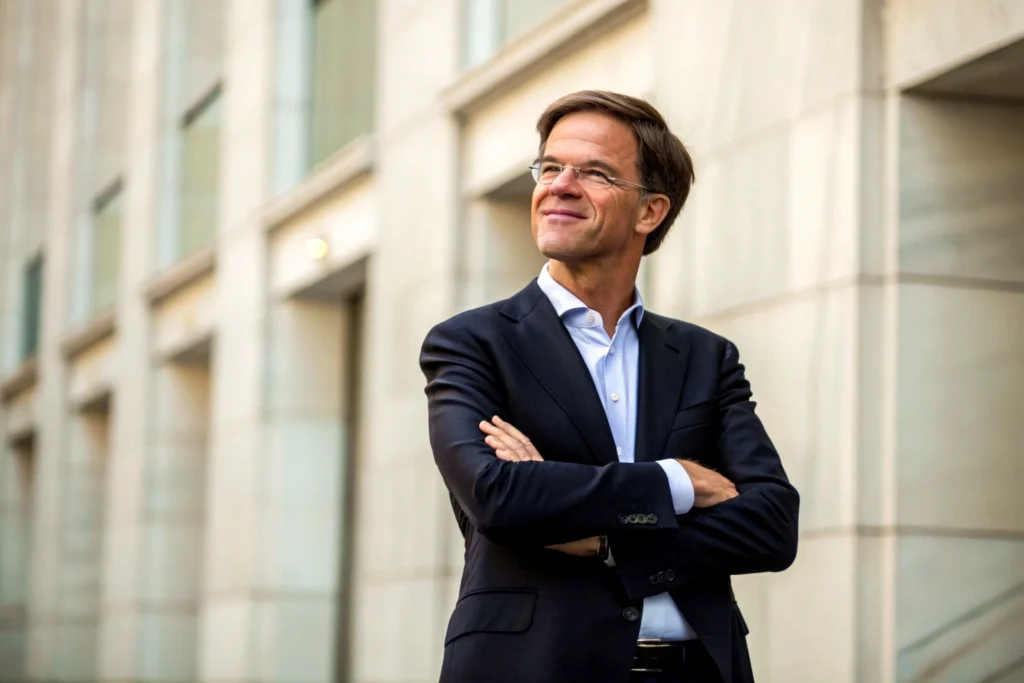
Rutte’s “Teflon Diplomacy”
The Dutch-born NATO chief, nicknamed “Teflon Mark” for surviving four terms as the Netherlands’ prime minister, deployed pragmatic charm to win over Trump. His approach included:
Personal Flattery: A pre-summit social media post praising Trump’s “big success” and crediting him for achieving “what no American president in decades could”.
Strategic Concessions: Endorsing Trump’s demand for NATO members to spend 5% of GDP on defense by 2035—a surge from the current 2% target.
Calibrated Humor: Lightening tensions during a Middle East debate by joking, “Daddy has to sometimes use strong language”—a remark later clarified as metaphorical
“I’m up for all the pressure we can get”
Rutte’s unflappable style, honed by teaching sociology while governing the Netherlands, disarmed critics. Lithuanian Defense Minister Dovile Sakaliene conceded: “I’m up for all the pressure we can get”.
Why Trump Shifted Gears
Trump’s initial reluctance to aid Ukraine stemmed from skepticism of foreign spending and admiration for Putin. But three factors drove his reversal:
Putin’s Betrayal: Trump expressed frustration that the Russian leader “talks nice but bombs at night,” undermining ceasefire talks.
Economic Win: European funding guarantees revenue for U.S. defense contractors. As Rubio noted, weapons already stationed in Europe can be “quickly transferred”.
Domestic Shield: By outsourcing funding to Europe, Trump sidesteps backlash for reversing his campaign stance on Ukraine
The Human Toll—and the Clock
Ukraine’s desperation underpinned the deal. Recent Russian strikes killed civilians in Sumy, highlighting Kyiv’s urgent need for Patriots—systems costing $1 billion each. President Zelensky, after meeting U.S. envoy Keith Kellogg, welcomed the plan but stressed: “Delay means death”.
What’s Next
Immediate Deliveries: Patriot batteries from European stocks will ship “within days”; other arms follow via new production.
Tariff Threats: Trump warned of 100% tariffs on Russian goods within 50 days if no ceasefire occurs. A Senate bill proposes 500% tariffs on nations buying Russian oil.
NATO’s Test: Rutte must ensure Europe’s funding pledges materialize. Spain already faces heat for resisting the 5% spending vow