Bryan Kohberger to Plead Guilty in Idaho Student Murders : Families Blindsided by Deal
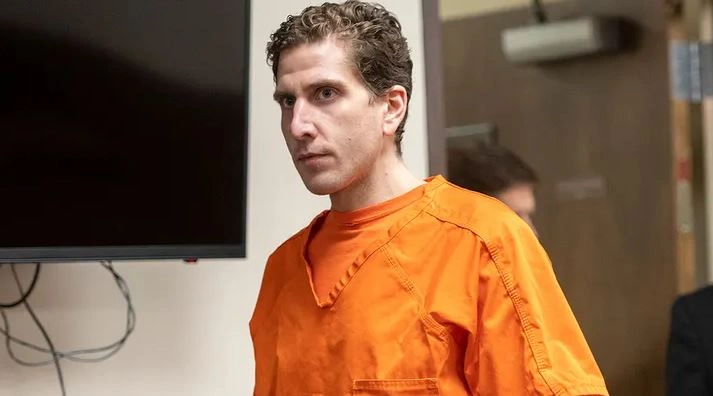
In a move that shocked victims’ families and legal observers, Bryan Kohberger will plead guilty next week to murdering four University of Idaho students—accepting life in prison without parole in exchange for prosecutors dropping the death penalty. Relatives learned of the deal via email just 48 hours before Wednesday’s hearing, igniting fury among those demanding a trial.
The Plea Deal’s Legal Mechanics
Prosecutors confirmed the deal emerged after Kohberger’s defense—facing critical setbacks—initiated talks last week. A judge had just rejected their “alternate perpetrator” theory as “rank speculation” and barred Kohberger’s unverified alibi about driving alone the night of the killings. With DNA evidence linking him to a knife sheath at the scene, cellphone data placing him near the victims’ home, and security footage, the state’s case appeared increasingly formidable.
“This agreement ensures the defendant will be convicted, spend his life in prison, and spare families decades of appeals,” prosecutors wrote to victims’ relatives, arguing it guaranteed justice while avoiding a traumatic trial.
Families React: “They Have Failed Us”
For the Goncalves and Kernodle families, the deal feels like a surrender. Notified by email just 48 hours before Wednesday’s hearing, Kaylee Goncalves’ family called it a “secretive effort to close the case” that excluded their input: “Latah County should be ashamed. We were treated as opponents from the outset”.
Kim Kernodle, Xana’s aunt, told media her family “vehemently opposed” the agreement when prosecutors floated it days earlier 10. The Goncalveses, who must now drive seven hours to attend Wednesday’s hearing in Boise, lamented: “The death penalty is an illusion in our justice system—a bargaining tool, not a real consequence”.
Why Kohberger Took the Deal
Legal analysts point to Idaho’s reinstatement of firing squads as a key factor. “He’s insulated himself from execution,” said Boise attorney Edwina Elcox. “Only a jury could sentence him to death”. Kohberger’s autism diagnosis—previously cited to challenge capital punishment—failed to remove that risk at trial.
CNN legal analyst Laura Coates noted: “The defendant had no more road. With his alibi barred and alternate theories dismissed, this was his sole exit”.
Lingering Questions
The plea leaves critical gaps unresolved:
No motive revealed: Kohberger isn’t required to explain why he targeted the students.
No testimony: Families may never hear him describe the crimes.
Evidence disputes: Defense challenges to DNA methods and crime-scene collection remain unadjudicated.
Former NYPD investigator Paul Mauro questioned: “If they don’t get the ‘why,’ this is incomprehensible”
What Happens Next
July 2, 2025: Kohberger will formally enter his guilty plea in Boise .
Late July 2025: Sentencing hearing where victims’ families may deliver impact statements.
Prison transfer: Kohberger will serve his sentence in an Idaho maximum-security facility, likely ending all public legal proceedings.
he Human Toll
The Goncalves family’s statement underscored the emotional chasm the deal has deepened: “Bryan Kohberger facing life means he still gets to speak, form relationships, and engage with the world. Meanwhile, our loved ones are silenced forever”. Yet prosecutors contend it spares families a years-long “hamster wheel of motions and hearings”.
As Moscow residents brace for a case closure that offers neither catharsis nor explanation, the plea’s legacy may be its exposure of systemic rifts—between justice’s promise and its procedural realities, and between the state’s duty to prosecute and its obligation to the bereaved.